Burnout rarely happens overnight. At first, you simply feel more tired than usual. Then mornings become harder. Weekends no longer help you recover the way they used to. Rest stops working. Many people dismiss it as stress or ordinary exhaustion for a long time. But when tension becomes constant and your body struggles more and more to cope, it may be more than stress — it may be burnout.
At Revita Clinic, we often meet guests who describe a very similar feeling: “I no longer feel like myself.” Less energy. More irritability. Sleep no longer restores. Even familiar daily tasks begin to feel overwhelming. At this stage, a day off or a short holiday is rarely enough. The body often needs a true reset — time, recovery, and the right conditions for the nervous system to gradually move out of constant stress mode.
If your energy reserves feel depleted and recovery takes longer than it once did, your body may need more than a short break — it may need a complete reset.
At Revita Clinic, we created the Anti-Stress & Burnout Recovery Program specifically for chronic stress and burnout recovery. The program combines restorative nutrition, physical activity, Mind & Body practices, spa therapies, and targeted anti-stress treatments — from floating and inhalation therapies to infusion support designed to restore energy and support the nervous system.
This integrated approach helps to reduce tension, improve sleep, restore internal resources, and gradually bring back energy and balance.

How to Recognize Signs of Burnout
Burnout rarely develops overnight. Symptoms usually build gradually over weeks, months or even years.
Physical Symptoms
Persistent fatigue, exhaustion, muscle tension, headaches and low energy. Some people also experience sleep disturbances, digestive issues, or the feeling that their body can no longer handle everyday demands as easily as before.
Emotional Symptoms
Irritability, anxiety, emotional exhaustion, and loss of motivation. Tasks that once felt manageable may suddenly require much more effort.
Behavioral Symptoms
You may feel the urge to withdraw from others, postpone responsibilities, reduce social interaction, or simply disconnect from everyday life. Sleep may also be affected, ranging from insomnia to excessive sleepiness.
Often, these signs indicate that the nervous system has been stuck in “fight-or-flight” mode for too long — a prolonged state of heightened alertness. The body is essentially operating in survival mode. That is why recovering from burnout is rarely about rest alone. The goal is to help the nervous system return to a state where it feels safe enough to shift back into recovery mode.
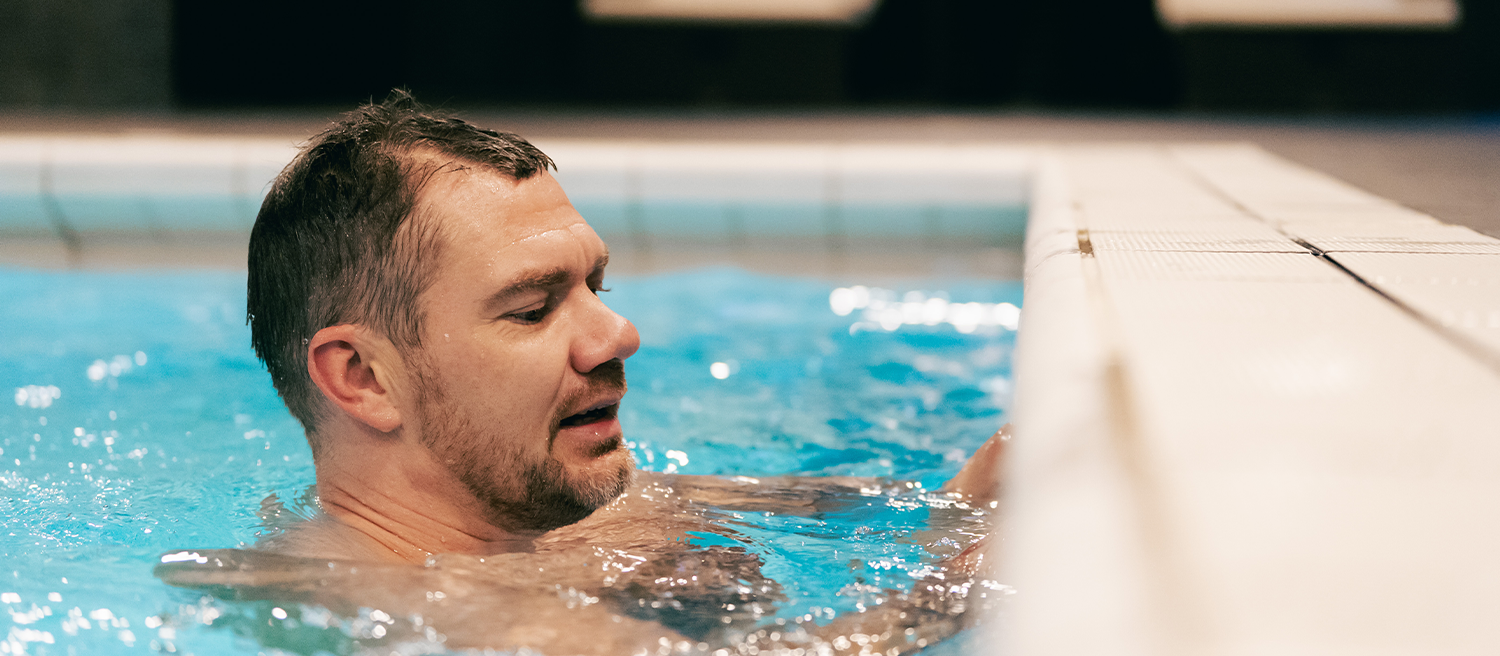
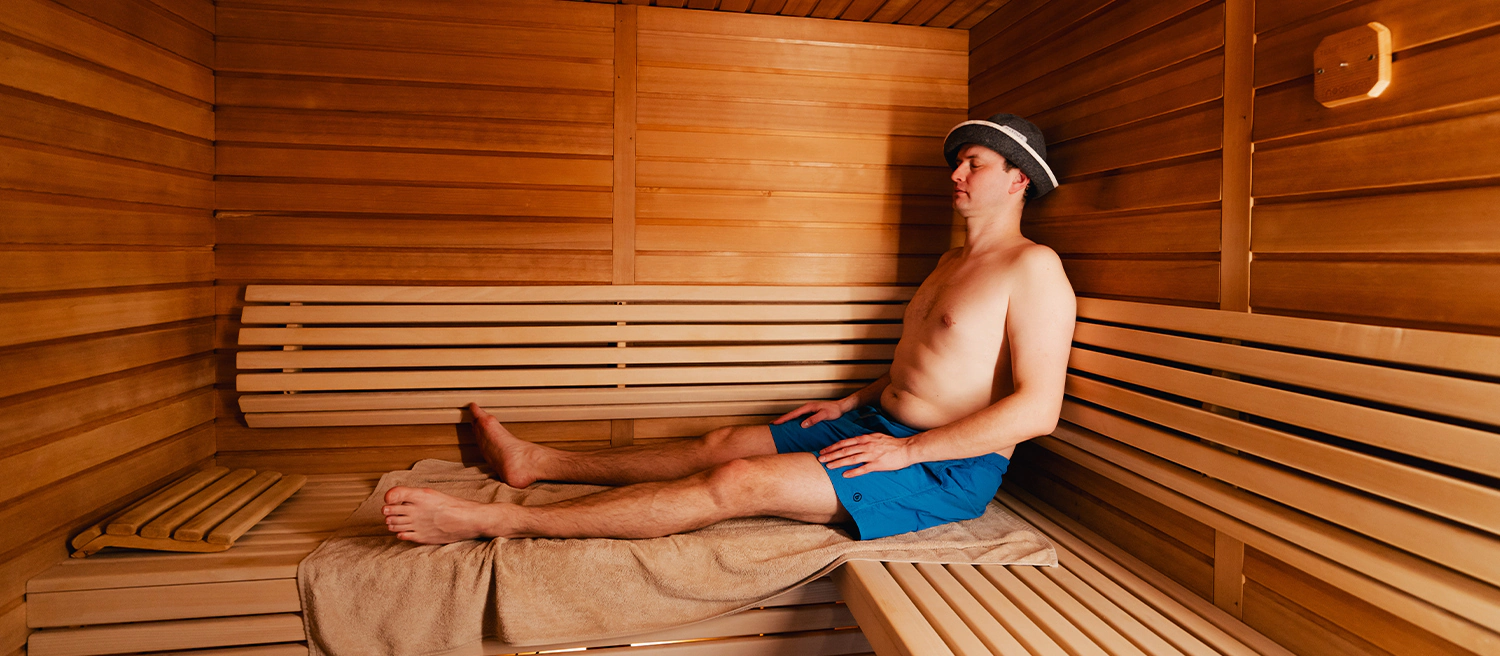
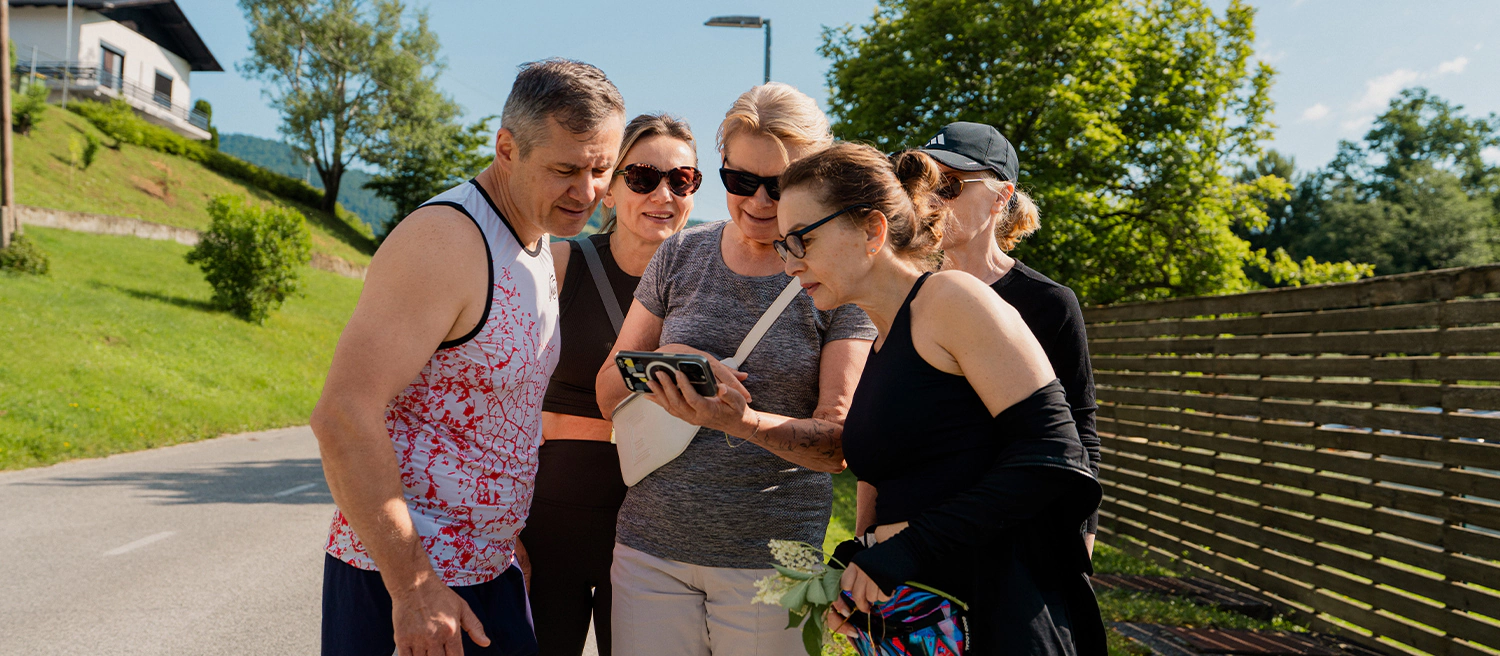
At Revita Clinic, the Anti-Stress & Burnout Recovery Program is specifically designed for chronic stress, nervous system overload, and burnout recovery. The program combines anti-stress therapies, Mind & Body practices, spa treatments, gentle physical activity, restorative nutrition, and infusion support for energy. Yoga, Nordic walking, and outdoor walks help lower stress levels, while floating, inhalation therapies, and restorative treatments support deeper physical and nervous system relaxation.
As a result, many guests report better sleep, reduced anxiety, improved energy, clearer thinking, and a renewed sense of inner balance. For many, this is the first step toward feeling like themselves again.
The Recovery Plan
This recovery plan is split into two phases of 7 days each. The first week focuses on stabilizing the nervous system and reducing further energy loss. The second week focuses on building healthy boundaries and developing resilience.
Week 1: Calming the Body
Day 1: Turn off all nonessential digital notifications. Choose a time to put your phone away and stick to it, ideally at least an hour before bedtime. Digital notifications may activate the sympathetic nervous system, increasing alertness and stress hormone release. By reducing constant screen exposure, you allow your body to recover from stress.
Day 2: Spend five minutes sitting quietly without distractions. Notice your bodily sensations and what you can hear, smell, touch and taste in the present moment. These grounding exercises force the brain to focus on the present moment. Focusing on the present helps calm the mind and reduces the mental energy spent worrying about the past or future.
Day 3: In the morning, splash your face with ice water three times. Alternatively, you can end a shower with 30 seconds of cold water. Please note that, cold showers have a cardiovascular impact. Use caution, especially if you have any kind of heart condition. Cold exposure may stimulate the parasympathetic nervous system, helping lower heart rate and promote relaxation.
Day 4: Write down your plans, tasks, worries, and ideas for the next few days right before bed. Get everything out of your head and onto paper. Writing down your to-dos helps your brain relax. You don’t need to remember them all; you’ve written them down.
Day 5: Begin practicing Non-Sleep Deep Rest (NSDR) during the day or evening. Both NSDR and yoga nidra have been shown to induce deep levels of relaxation similar to those in deep sleep (as measured by brainwave activity). The practice may support the body’s natural recovery process.
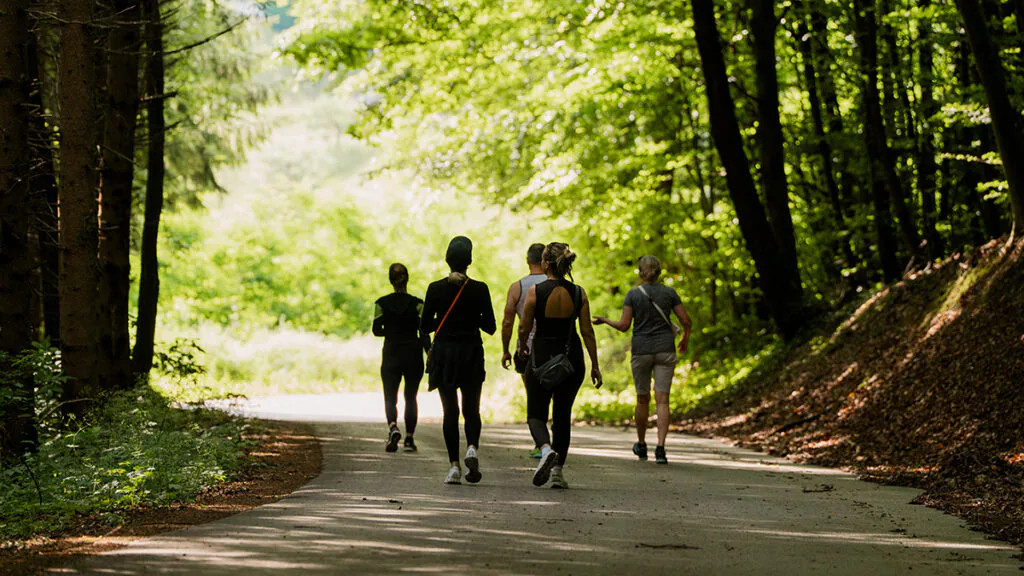
Day 6: Take a leisurely 30-minute walk in nature or practice a gentle, restorative yoga. Intense workouts may increase cortisol levels in the body, so avoid them when you’re in a fatigued state. When you’re exhausted, choose movement that restores energy rather than depletes it.
Day 7: Review your upcoming week’s calendar and identify two non-essential tasks that can be deleted, postponed or delegated. Protecting your time and energy is one of the best ways to support nervous system recovery.
Week 2: Building Resilience and Integration
This week focuses on building habits that support long-term resilience and help prevent future burnout.
Day 8: First thing in the morning, go outside or look at natural light from a window or balcony for 10 minutes (do not directly look at the sun). Morning sunlight helps regulate cortisol and melatonin, which allows the body to wake up properly, increases daytime energy, and improves sleep quality at night.
Day 9: List the things or people that drain you on one side, and the things and people that energize you on the other. Spend less time in the former category and more time in the latter. Doing the same thing that depletes you for the rest of your life will not bring you much joy. Recovery is not only sleep and resting; recovery is also doing the things that re-energize you.
Day 10: Do 3 physiological sighs throughout the day. This is quite easy: take a deep breath in through your nose, then take another sharp inhale to completely fill your lungs, and then exhale slowly through your mouth. This breathing pattern helps reopen the tiny air sacs (alveoli) in the lungs and may help calm the nervous system and slow the heart rate.
Day 11: Do NOT look at your phone for the first 30 minutes to an hour after getting out of bed. Instead, do a light stretch, have breakfast in peace, or take a walk. The first thing you do each morning often sets the tone for your day. Checking emails and social media immediately after waking can make you more reactive and distract you from starting the day intentionally.
Day 12: Learn to be kinder to yourself. Think of something you’ve been criticizing yourself for (or something you haven’t been able to do lately) and write it down. Underneath, write: “I’m doing the best I can with the energy I have”. Or: “It is enough.” Being critical of your past actions consumes vast amounts of energy and has very little constructive impact. Self-compassion, however, is an energy-saver (in terms of both physiological and psychological stress).
Day 13: Set aside 30 minutes for play today. Find something that you enjoy doing, such as reading, drawing, gaming, listening to podcasts or music, or any activity you genuinely enjoy. If you have a hobby that you love but you haven’t had time for lately, NOW is your time! “Play” leads to the formation of new neural connections and prevents rigidity — the feeling of functioning on autopilot. People with little opportunity for rest and play are often more vulnerable to burnout.
Day 14: Review the previous 2 weeks. What activities have brought you the most benefit? List them and put reminders on your calendar to do them on a weekly basis. Recovery from burnout is an ongoing process rather than a one-time task. Long-term resilience comes from consistently making small, sustainable, adjustments to your daily routine.
The path forward
After completing this burnout recovery plan, you’ve taken an important first step toward recovery, but remember that your path to recovery doesn’t end after the first two weeks. Be sensitive to the signs of burnout in your body. These signs are not just annoyances; they may be messages that your body needs care, recovery and support. Continue to include regular nervous system rest practices in your routine. Start with day 1, and remember to be patient and compassionate with yourself throughout the recovery process.