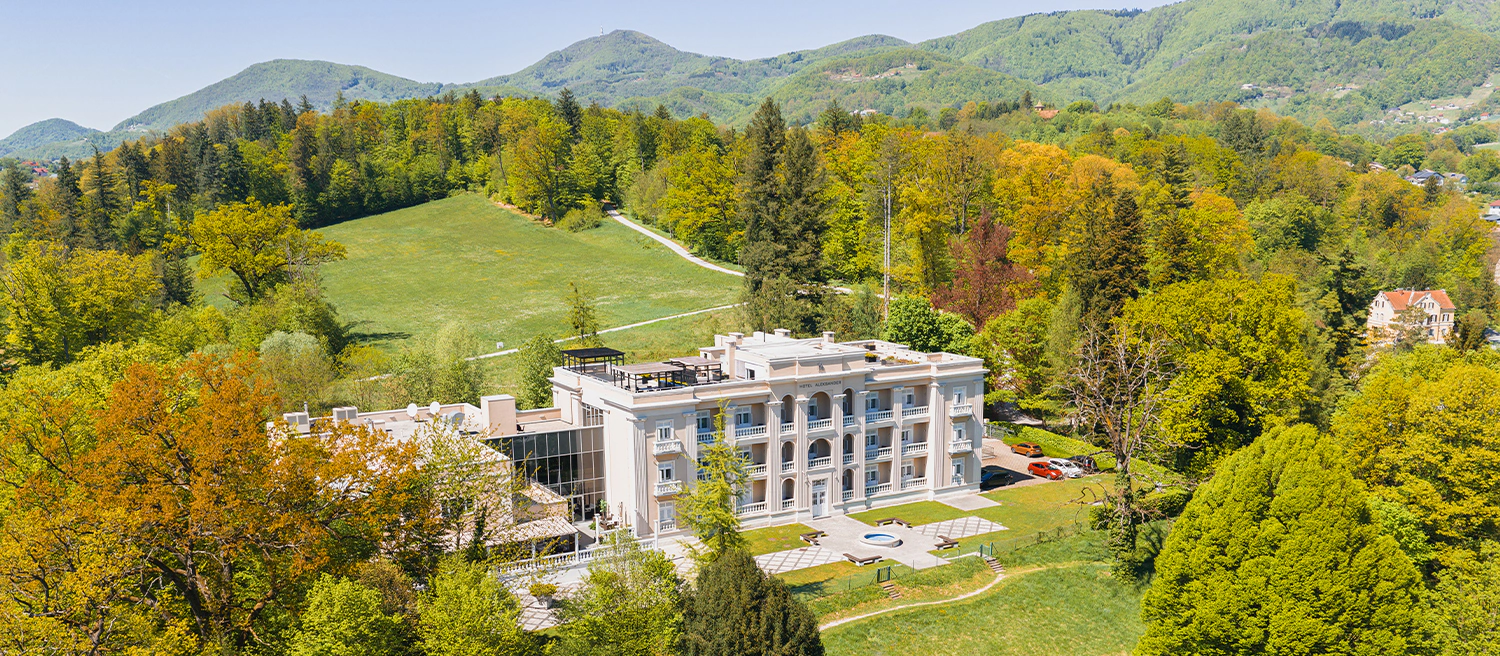
Let’s be honest with ourselves: real skin longevity isn’t something you can buy in a beautiful glass jar! Every year, the beauty industry introduces new creams, serums, and complex skincare routines. They promise to make your skin firmer, smoother, and younger-looking.
But from a biological perspective, most of these products can only affect the very top layer of the skin, while the processes that determine its health and the rate at which it ages take place much deeper. That’s why at Revita Clinic, we take a different approach. The Longevity & Anti-Aging program is designed not simply to temporarily mask age-related changes, but to support the body’s natural recovery processes.
The program combines personalized nutrition, medical procedures, spa therapy, physical activity, and quality rest. This comprehensive approach helps create the conditions needed to support skin health from within, rather than focusing only on the surface.
The skin is not simply an outer layer. It is one of the body’s most effective protective barriers! Its job is to keep the outside world from getting in.
In dermatology, there is a “500 Dalton rule.” It holds that only molecules smaller than 500 Daltons can penetrate the skin’s lipid barrier. To put this into perspective, a standard, non-hydrolyzed collagen molecule has a molecular weight of around 300,000 Daltons. That’s why most collagen creams remain on the surface of the epidermis, providing temporary hydration but having little effect on the processes taking place in the deeper layers of the skin.
And those are precisely the layers that determine its density, firmness, and ability to maintain a youthful appearance! At Revita Clinic, we don’t look at the skin as something that can be changed through cosmetics alone. We see it as part of the body as a whole. The rate of age-related changes depends on many factors: sleep quality, nutrition, chronic stress levels, physical activity, recovery, and the body’s internal processes of protein synthesis and renewal.
That’s why at Revita Clinic, we focus not on masking age-related changes, but on creating the conditions that allow the body to support its own natural renewal processes for as long as possible. This approach is designed not only to care for how your skin looks today, but also to support its health over the long term.
The Dermal Scaffold: Collagen vs. Elastin
To understand how your skin actually structurally ages, we need to look past the marketing and focus on the extracellular matrix. Think of your skin as a high-end mattress.
Collagen represents the heavy-duty steel coils. It makes up about 75% of your skin’s dry weight. Structurally, it’s incredibly tough—three polypeptide chains wound tightly together into a rigid triple helix. It provides the sheer tensile strength and density that keeps your face looking plump, lifted, and defined. Without it, gravity wins. Every single time.
Elastin is the memory foam layer that helps the mattress bounce back after you get up. While collagen gives you structural strength, elastin gives you snap-back. It is a highly flexible protein mesh that allows your skin to stretch when you smile, squint, or yawn, and then immediately snap back to its original shape.
Here’s the part the marketing never mentions: elastin is essentially non-renewable. Your body lays down its elastin network in childhood and adolescence, and adult fibroblasts produce almost none. UV exposure activates elastase, which shreds that finite network, and what regrows is disorganized, clumped fiber known as solar elastosis. That’s the crepey, leathery texture on sun-exposed skin. You can rebuild collagen. You cannot rebuild elastin. You can only protect it.
When we are young, this protein matrix is perfectly organized, tight, and springy. But as we age, the factory slows down, the organization falls apart, and the neat mesh degrades into a chaotic, fragmented mess.
The Synthesis Engine: Waking Up Fibroblasts for Collagen Synthesis
Your body is constantly remodeling its dermal matrix, but the production line starts slowing down much earlier than you think. Around your mid-twenties, natural collagen synthesis drops by about 1% every single year. By the time you hit menopause, that decline turns into a cliff.
The cells responsible for churning out new fibers are called fibroblasts. As we age, they essentially go to sleep. They become senescent, lazy, and unresponsive. To get them working again, you have to send them very specific, aggressive cellular triggers.
- Retinoids (The Only Real Miracle Ingredient): Prescription tretinoin and high-quality retinol aren’t just surface treatments. They penetrate deep into the dermis, binding to retinoic acid receptors in the nuclei of your fibroblasts. This interaction acts as a direct, loud wake-up call to turn the manufacturing line back on, even if you have to push through the dreaded “retinol uglies” phase first.
- Signal Peptides: Think of these as cellular alarm clocks. When proteins naturally break down, they leave behind tiny fragments. Peptides like Palmitoyl Pentapeptide-4 or Copper Tripeptide-1 mimic these fragments. When you apply them, they trick your fibroblasts into thinking there has been a massive structural injury, prompting them to panic-produce fresh, healthy fibers to “repair” the nonexistent damage.
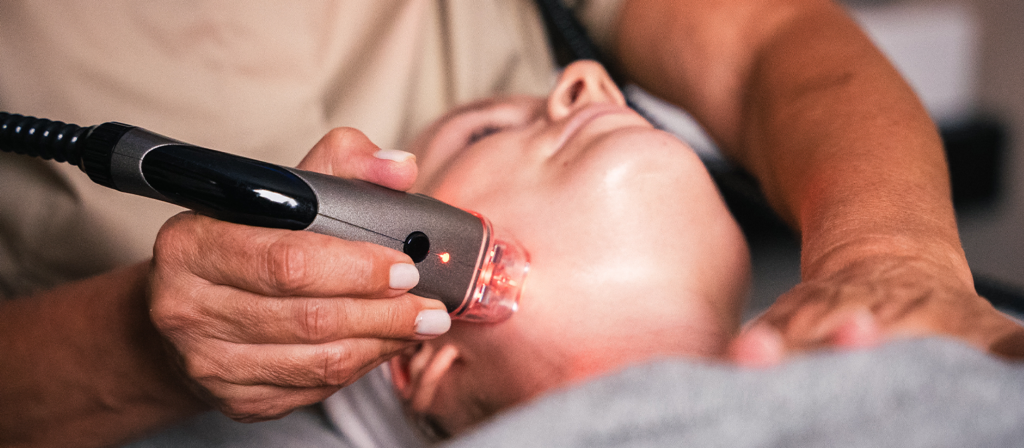
- Controlled Physical Trauma: This is why microneedling, radiofrequency (RF), and lasers actually work. By creating microscopic, controlled injuries deep in the dermal tissue, you trigger a massive, natural wound-healing cascade. Your body floods the area with brand-new fibers to rebuild the scaffold.
- Ingestible Collagen (With a Caveat): Drinking collagen won’t magically transport those exact molecules to your face. Digestion breaks them into amino acids and short peptides first. However, clinical data shows that flooding your system with these specific building blocks (glycine, proline, and hydroxyproline) gives your fibroblasts the raw materials they need to keep the synthesis engine running.
The Destruction Matrix: Stopping Collagen Degradation
Boosting synthesis is completely useless if you have a massive leak in the bucket. You can stimulate all the new fibers you want, but if your body is destroying them faster than you can make them, you are losing the battle.
This destruction is driven by Matrix Metalloproteinases (MMPs)—a family of enzymes whose job is to clear out old, damaged tissue. Under normal conditions, they are helpful cleanup crews. But when triggered by external stressors, MMPs go absolutely rogue. They overstimulate and begin aggressively shredding perfectly healthy networks. If you want to keep your skin intact, you have to neutralize the three main triggers that send MMPs into a frenzy:
1. UV Radiation (Photoaging)
Sun damage is responsible for up to 80% of visible skin aging. A single unprotected afternoon at the beach doesn’t just cause a temporary sunburn; it triggers a massive spike in reactive oxygen species (ROS) that upregulate MMPs. This enzymatic frenzy can continue dismantling your structural matrix for several days after the sun exposure has ended. Yes, one bad sunburn causes days of silent, structural demolition.
2. Advanced Glycation End-Products (AGEs)
This is where your diet directly shows up on your face. When you eat excess sugar, those sugar molecules bind to your structural fibers through a process called glycation. This cross-linking turns once-flexible, springy fibers into stiff, brittle, yellowed structures that crack easily under pressure. Once glycated, these proteins are incredibly difficult for your body to repair or recycle.
3. Inflammaging
Chronic, low-grade, systemic inflammation—fueled by stress, lack of sleep, poor diet, and pollution—acts like a slow, quiet fire inside your skin. It continuously degrades the extracellular matrix, leaving your fibroblasts too exhausted to perform routine maintenance.
Your Real-World Longevity Cheat Sheet
Forget the complicated 10-step routines. A scientifically sound skin longevity strategy is actually incredibly simple. It boils down to a daily two-pronged protocol:
Morning: Protect and Defend
- Antioxidant Serum: Apply a potent Vitamin C (L-ascorbic acid) serum paired with Vitamin E and Ferulic Acid. This combo neutralizes free radicals before they can trigger the inflammatory cascade.
- Broad-Spectrum SPF 50+: Every single day, rain or shine. If you aren’t wearing sunscreen, the rest of your skincare routine is a waste of money. Period.
Evening: Rebuild and Repair
- Cellular Activator: Use a retinoid (tretinoin or retinol) or a high-quality peptide serum to wake up your fibroblasts while you sleep.
- Barrier Support: Use a simple, lipid-rich moisturizer to lock in hydration and protect your outer barrier.
From the Inside: Fuel the System
- Watch the Sugar: Keep your blood sugar stable to prevent glycation and the formation of brittle AGEs.
- Amino Acid Support: Consider daily hydrolyzed collagen peptides or a diet rich in high-quality proteins to supply the raw building blocks.
The Bottom Line
Skin longevity isn’t about chasing a flawless, frozen face or trying to erase every single expression line. It is about preserving the biological integrity, strength, and health of your skin’s deep structural matrix.
When you stop falling for superficial marketing hype and start managing the delicate balance between collagen synthesis and collagen degradation, you stop fighting a losing battle against aging. Instead, you give your skin the biological tools it needs to remain firm, resilient, and vibrant for decades.