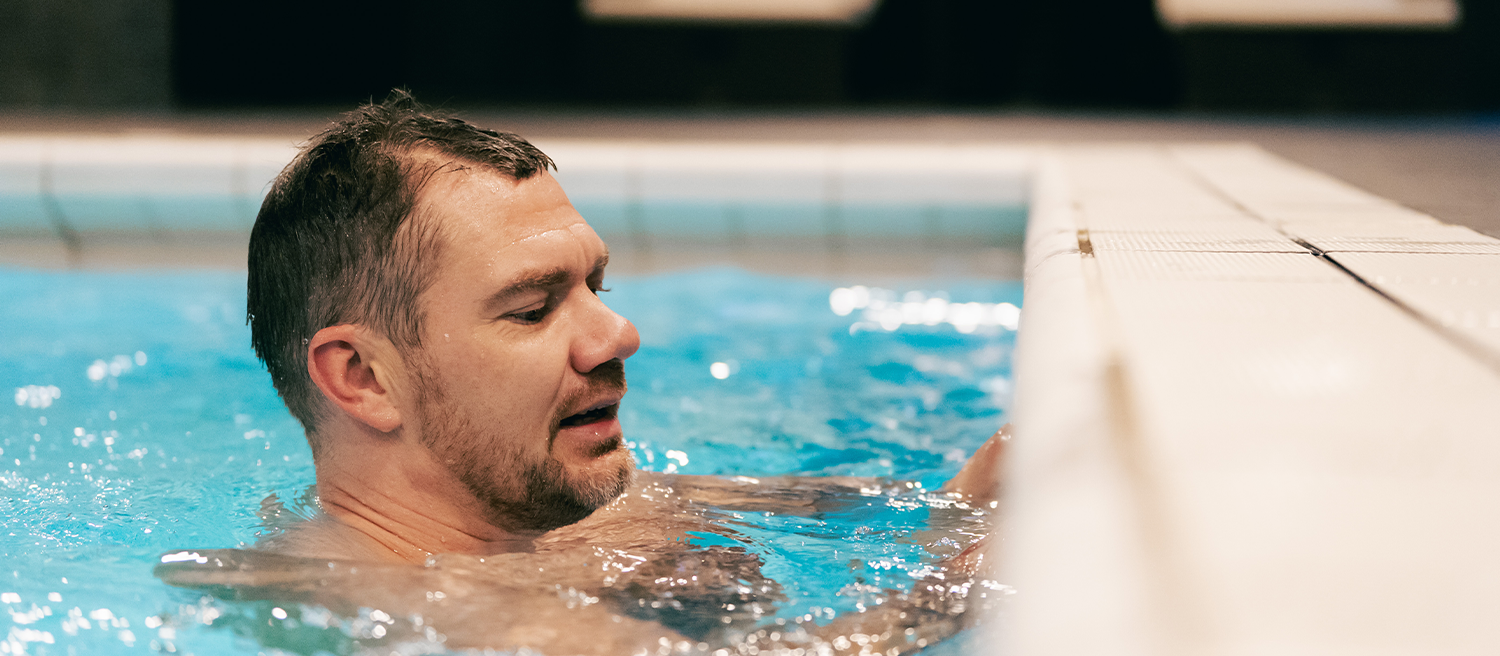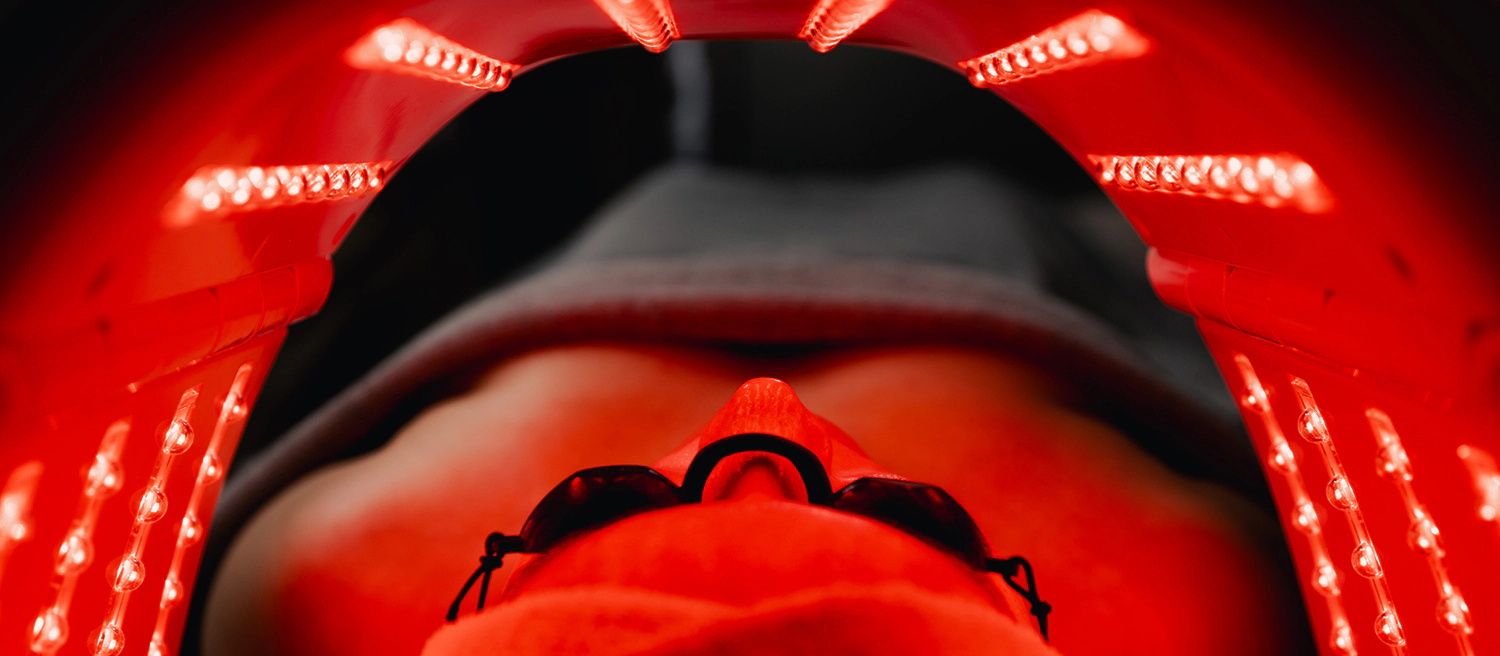
These days, Red Light Therapy seems to be everywhere. It’s promoted as a way to rejuvenate the skin, support cellular repair, reduce wrinkles, and even slow certain aspects of biological aging. At Revita Clinic, light-based therapies are used as part of a broader, integrated approach to wellness and recovery and are available in several forms.. LED therapy is available as an additional facial treatment recommended by our specialists. It is designed to support the skin’s natural renewal processes, improve tone and elasticity, reduce inflammation, and promote recovery.
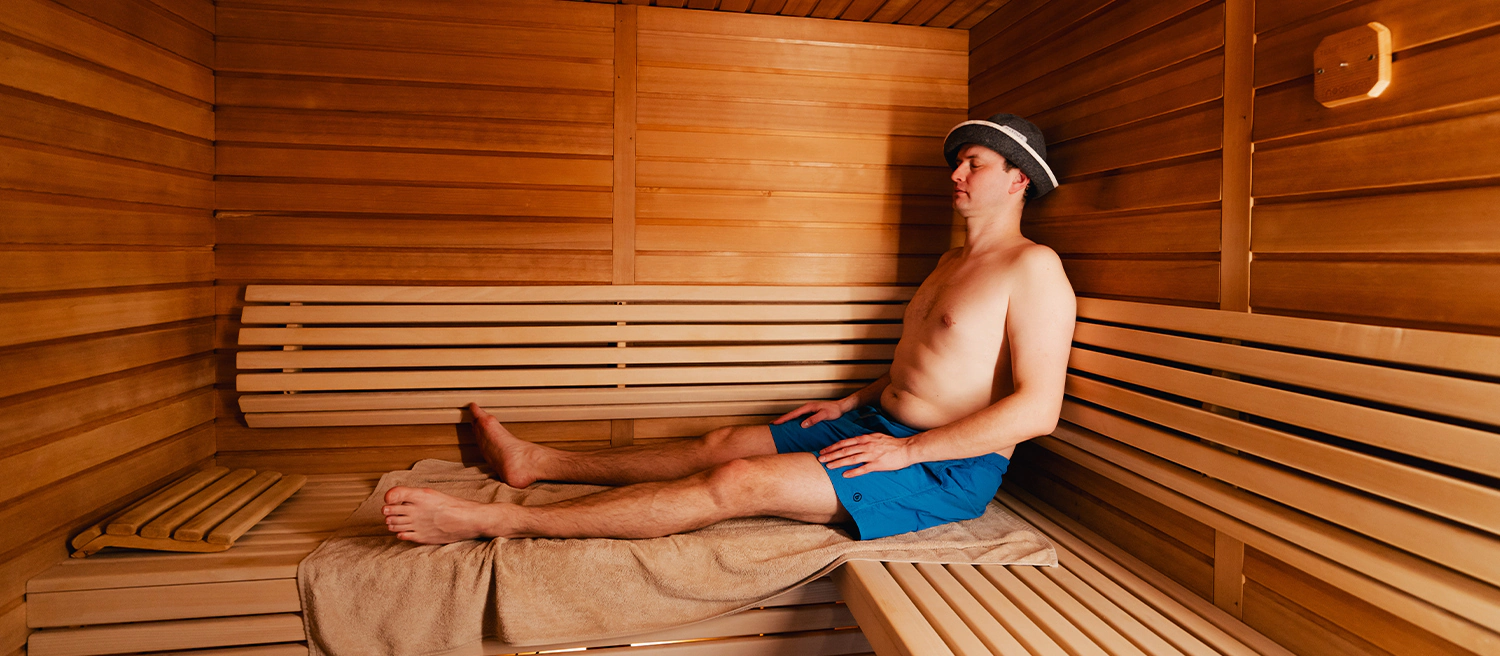
Another advanced technology available at Revita Clinic is Sculpt & Glow. This treatment combines red and near-infrared light with radiofrequency (RF) heating, vacuum roller massage, and techniques designed to stimulate lymphatic drainage. Together, these technologies are intended to improve microcirculation, support lymphatic flow, enhance skin firmness and texture, reduce the appearance of cellulite, and stimulate the body’s natural regenerative processes. In addition, guests staying at Revita Clinic have complimentary access to the infrared sauna in our wellness area. Unlike LED therapy, its primary effect comes from gentle heating of the body’s tissues. This may help relax muscles after physical activity, improve circulation, relieve accumulated tension, and support overall recovery.
At Revita Clinic, our comprehensive wellness programs support recovery from both within and without, because external treatments are only one part of healthy aging. The way we look and feel is influenced by sleep quality, nutrition, physical activity, the body’s ability to recover, stress levels, and many other lifestyle factors. That’s why modern technologies are combined with personalized nutrition, tailored exercise, restorative therapies, and lifestyle guidance to help support energy, skin quality, and healthy longevity.
If you’re interested in modern healthy aging strategies and would like a personalized program based on your goals, health status, and lifestyle, a Revita Clinic wellness consultant will help you choose the most suitable option.

What Is Red Light Therapy?
Red Light Therapy (RLT), also known as Photobiomodulation (PBM), uses specific wavelengths of red and near-infrared light to influence biological processes within the body. Unlike ultraviolet (UV) light, which can damage skin cells, red and near-infrared light are non-ionising and do not damage the skin in the same way. Instead, they penetrate deeper into the tissues and interact with cells, potentially supporting their natural repair and regeneration mechanisms.
It’s important to understand, however, that red light therapy is not a miracle solution or a way to “reverse aging.” While the body of scientific research continues to grow, the available evidence suggests that these technologies are most effective when they are part of a comprehensive approach to health and longevity.
At Revita Clinic, LED therapy is offered as an additional facial treatment recommended by our specialists. It is intended to support skin renewal, improve firmness and elasticity, reduce inflammation, and promote recovery. However, we do not view it as a standalone anti-aging treatment. Instead, it forms one element of a broader wellness strategy, because healthy aging depends on much more than a single procedure. Quality sleep, balanced nutrition, regular physical activity, stress management, recovery, and daily habits all play an essential role. LED therapy can complement this approach — but it cannot replace it. If you’d like to find a healthy aging program tailored to your lifestyle, health status, and personal goals, a Revita Clinic wellness consultant will help you choose the most appropriate recovery program.
How Photobiomodulation May Affect Health at the Cellular Level
To understand the potential benefits of red light therapy, it is helpful to first look at cellular respiration—the process through which cells produce energy. Cells are able to create and use energy that is required for all of the important physiological processes that keep a person in good health. A large portion of the energy for this is in the form of adenosine triphosphate, also known as ATP. Most ATP is produced inside cellular organelles known as mitochondria. In the aging process, mitochondria eventually stop functioning properly, and as they are no longer able to effectively produce energy, this leads to a breakdown of the cells, inflammation in the body, and faster aging.
Cytochrome c Oxidase and Its Role in Cellular Energy Production
The first way red light therapy helps to improve the function of the cells is the fact that a particular wavelength of red light or near-infrared light is absorbed by an enzyme called cytochrome c oxidase, which exists inside the mitochondrial respiratory chain of the cell. Under certain conditions, nitric oxide (NO) may bind to cytochrome c oxidase and temporarily interfere with mitochondrial respiration and oxygen utilisation. This ultimately inhibits ATP synthesis and leads to the buildup of reactive oxygen species (ROS). Red light boosts the synthesis of ATP, by freeing the NO from the enzyme in a cascade of molecular reactions:
- Cytochrome c oxidase absorbs red/NIR, leading to NO dissociation from the complex.
- Oxygen is then able to bind the enzyme freely.
- Mitochondrial respiration may improve, potentially increasing ATP production.
- Photobiomodulation briefly boosts ROS levels, leading to cellular adaptations, and thus, the cells become better prepared against future stressors (called hormesis).
By restoring the function of the mitochondria, cells are once again able to get the energy they need to repair damage, synthesize new proteins and expel waste.

Benefits of Red Light Therapy: Scientific Evidence
The physiological implications of better cellular energy production can be found in a number of processes shown to benefit in clinical red light studies: Red light benefits supported by science include, amongst others:
1. Reducing Inflammation and Relieving Pain
Inflammation, particularly the low grade systemic variety, is one of the most prominent causes of cellular dysfunction. The phrase often used to describe this is “inflammaging,” the idea being that cellular inflammation is closely linked to the aging process.
The potential anti-inflammatory effects of photobiomodulation have been investigated in a range of laboratory and clinical settings. PBM has been shown in some studies to downregulate pro-inflammatory cytokines (such as TNF-alpha and IL-6), as well as up-regulating anti-inflammatory cytokines. PBM may also reduce oxidative stress on the muscles and joints, relieving the pain associated with osteoarthritis, rheumatoid arthritis and chronic joint disease, as suggested by some studies.
2. Collagen Synthesis & Skin Rejuvenation
A breakdown of the extracellular matrix is among the most obvious signs of the aging process. As the body grows older, collagen synthesis is reduced, which leaves behind visible signs of aging like loose skin, fine lines and wrinkles. The wavelengths emitted by red light (in particular 633-660nm) trigger the fibroblast cells to produce more collagen and elastin. Clinical studies published in major dermatology journals have shown that red light therapy can increase:
- Skin firmness
- Collagen density
- The healing of minor skin wounds
- Skin tone and elasticity
- The appearance of fine lines and wrinkles
3. Athletic Performance and Muscle Recovery
In terms of longevity, maintaining mobility and preserving muscle mass (and thus avoid sarcopenia) are a top priority. PBM can enhance athletic performance and aid the recovery of muscle tissue. Studies have found that using near-infrared light before and after exercise, an effect which can be achieved via a device that emits much deeper, penetrating light than red light on the muscular level, can lead to the following:
- Help reduce delayed-onset muscle soreness
- Lower your post-exercise blood lactate
- Reduce certain markers of muscle damage, such as creatine kinase
- Boost muscle healing and regeneration
Hype vs. Reality: Getting Real About Expectations
Because we know red light therapy actually does work, it is helpful to be very clear on the difference between scientific evidence and exaggerated marketing.
Science:
- Dose-dependent effects. A red light exposure has a biphasic response curve (aka an Arndt-Schulz Law); too little has no effect and too much can cancel out effects or cause oxidative stress.
- Benefits may be cumulative. The effects are seen over multiple treatments (ex: most studies recommend 3–5 sessions a week for multiple weeks).
Hype:
- More is better. Claims that high-powered red-light panels or longer exposure times automatically produce faster or better results.
- Deep penetration. While NIR light can travel centimeters into skin tissue, bone and brain tissue, it cannot travel much past that.
- “Full body cure-all”, Claims of healing any/all ailments (visceral, metabolic disorders etc.) with a single red light therapy home panel.
- Instant results. Claims of reversal of aging, wrinkles and chronic pain from one exposure.
Is Red Light Therapy a Longevity Tool?
Red light therapy is being investigated as a potential supportive tool within the field of healthy aging. It’s not a cure-all, but it does target a root cause of aging (mitochondria dysfunction).
Photobiomodulation may support mitochondrial function and cellular energy production and may help modulate inflammation and tissue repair. It is generally considered non-invasive when used appropriately, although its effectiveness depends on the condition being treated, the device, the wavelength, the dose, and the treatment protocol.
To maximize your red light therapy results and longevity potential:
- Make sure you stick with it, Red light therapy works better with consistent daily (or at least 3–5x weekly), short (10-20 minutes) sessions.
- Look for red light wavelengths that are clinically dosed (630 to 660 nm) for the face, skin, and red light wavelength therapy, and ensure that a near-infrared wavelength (810 to 850 nm) for muscle and joint health, and whole-body red light therapy.
- Pay attention to the device’s irradiance and total energy dose, as both influence how much light reaches the treatment area. Higher power does not necessarily mean better results.
Red light therapy is not a cure-all, nor can it replace the basic foundations of health, such as balanced nutrition, restorative sleep, regular exercise, stress management, and appropriate medical care. However, the existing research suggests that it may be a useful complementary therapy when applied with realistic expectations and an evidence-informed protocol.