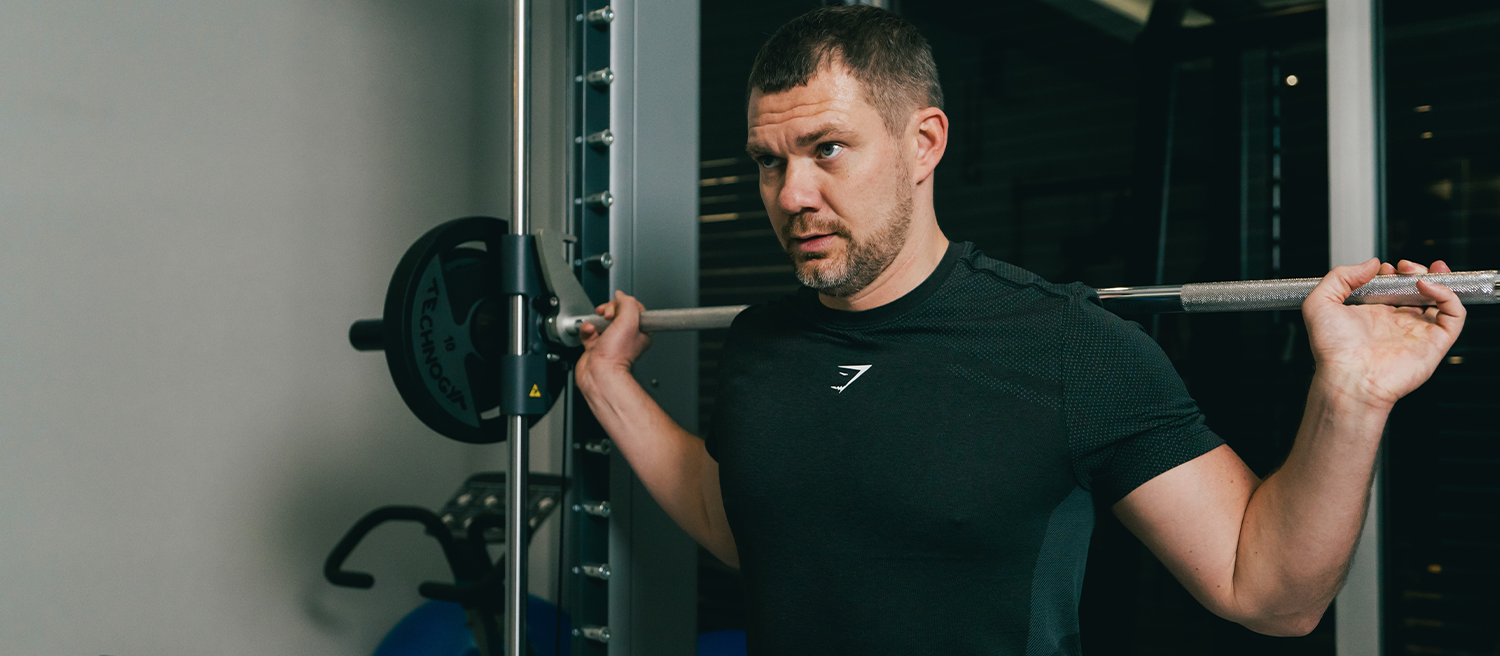
From the outside, life may seem perfectly normal. Work, responsibilities, and daily routines continue as usual. Yet internally, the experience can feel completely different. Recovery may become more difficult. Sleep no longer feels restorative, and even during quiet moments, your body remains tense, as though it has forgotten how to truly relax.
If this sounds familiar, you’re not alone. Many people describe feeling “constantly on edge” or say that even after resting, they never feel fully recharged. This often happens when the nervous system has remained in a prolonged state of heightened alertness.
At Revita Clinic, our anti-stress programs are designed to help the nervous system gradually transition from a state of chronic stress into one of recovery and resilience.
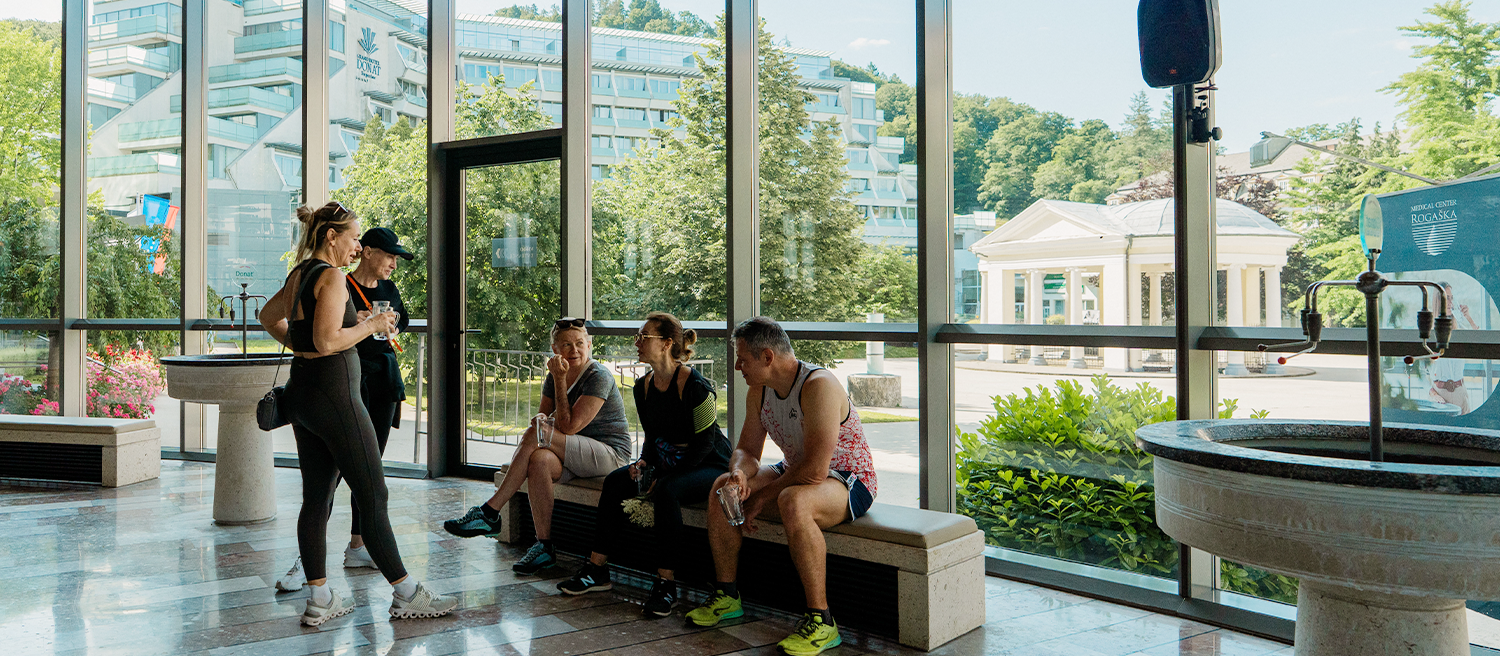
This is achieved through a combination of evidence-informed therapies, movement, nutrition, and restorative practices. Donat Mg mineral water supports healthy magnesium levels, providing an essential mineral involved in normal nervous system function and muscle relaxation. The environment also plays an important role. Nestled on a quiet hillside surrounded by forests, Revita Clinic offers a peaceful setting away from the noise and demands of everyday life, making it easier to slow down, unwind and recover.
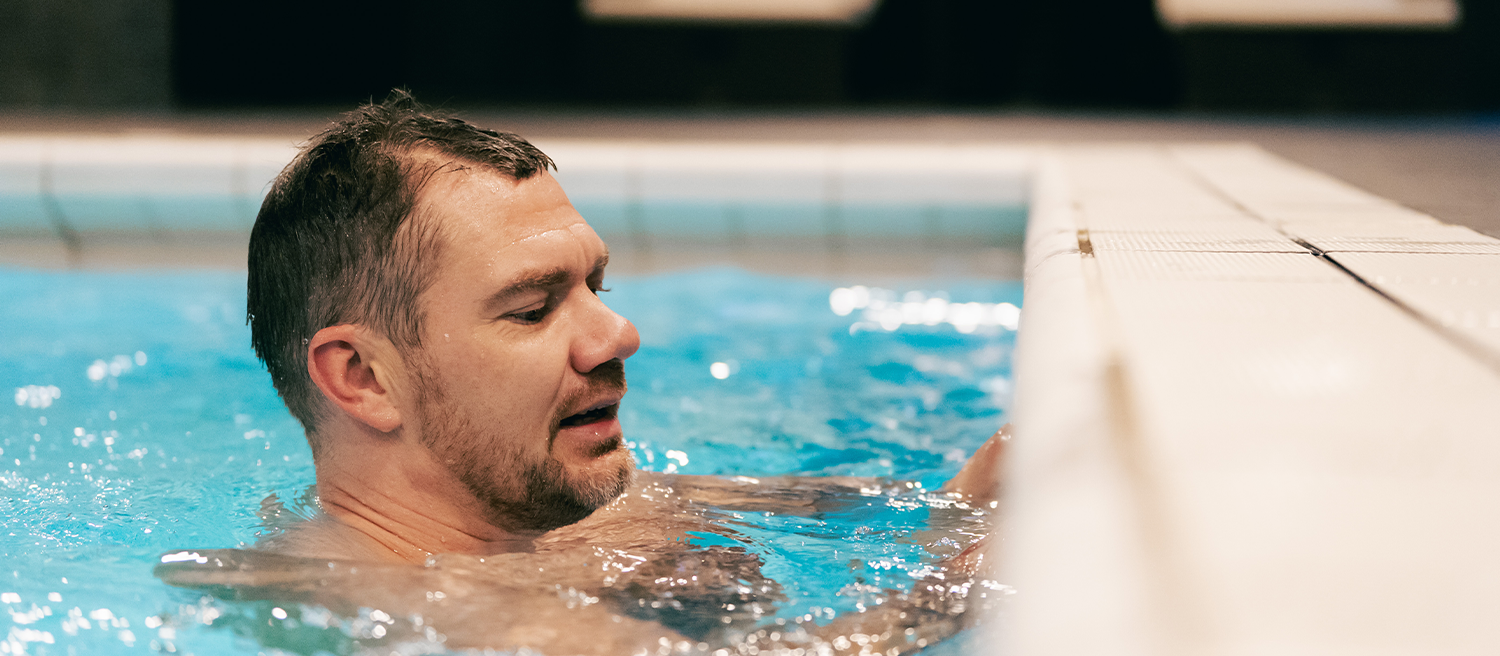
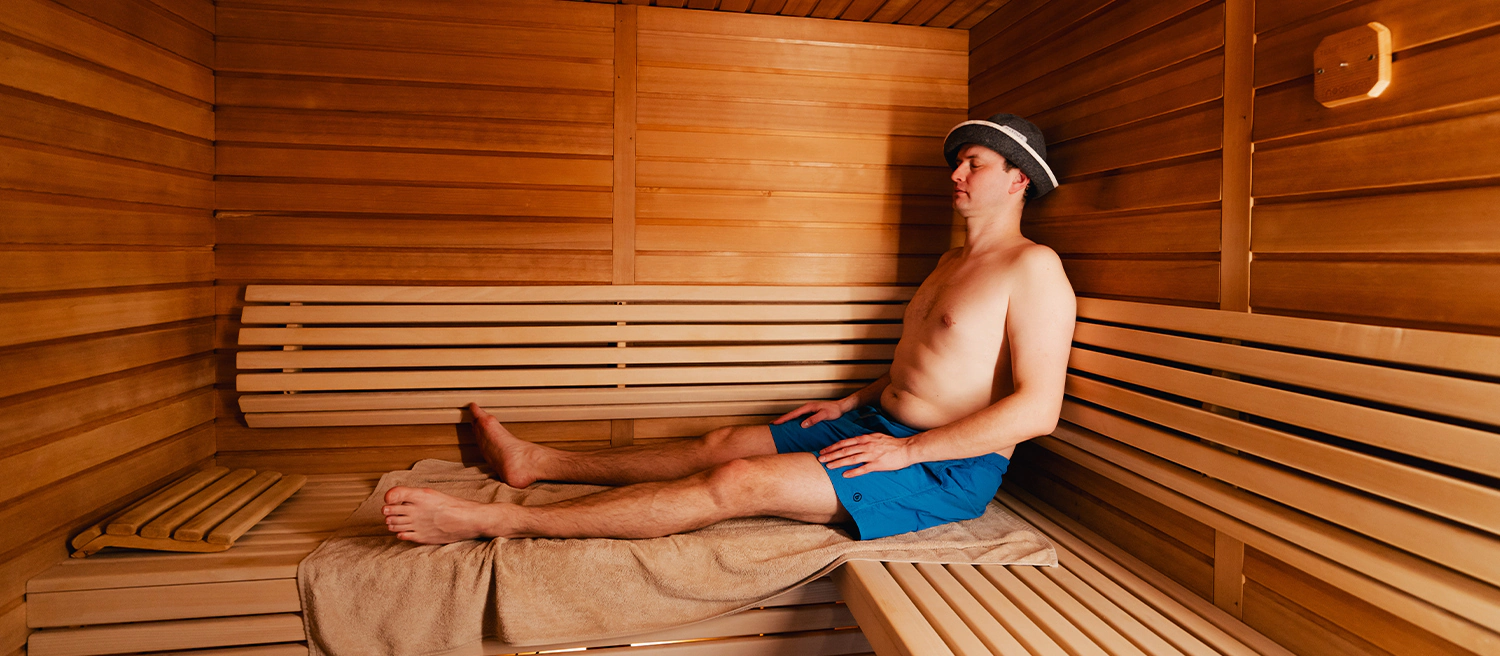
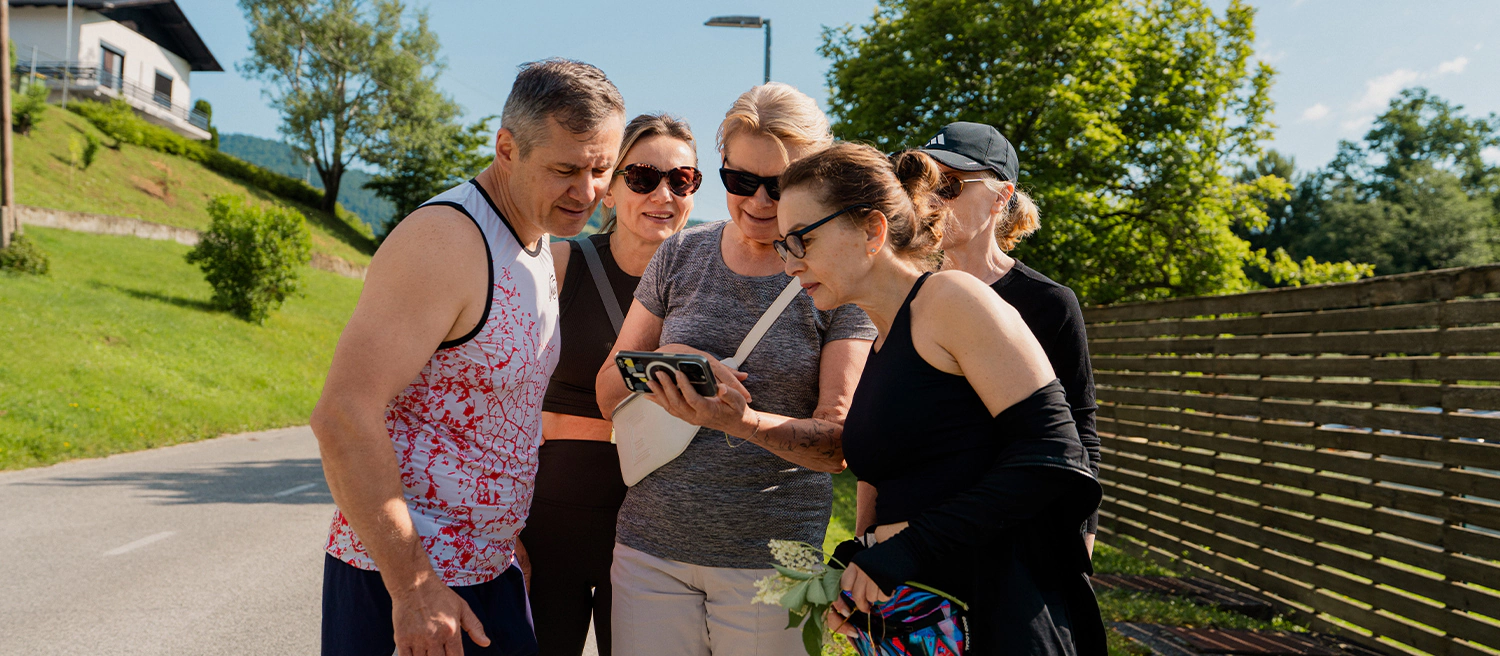
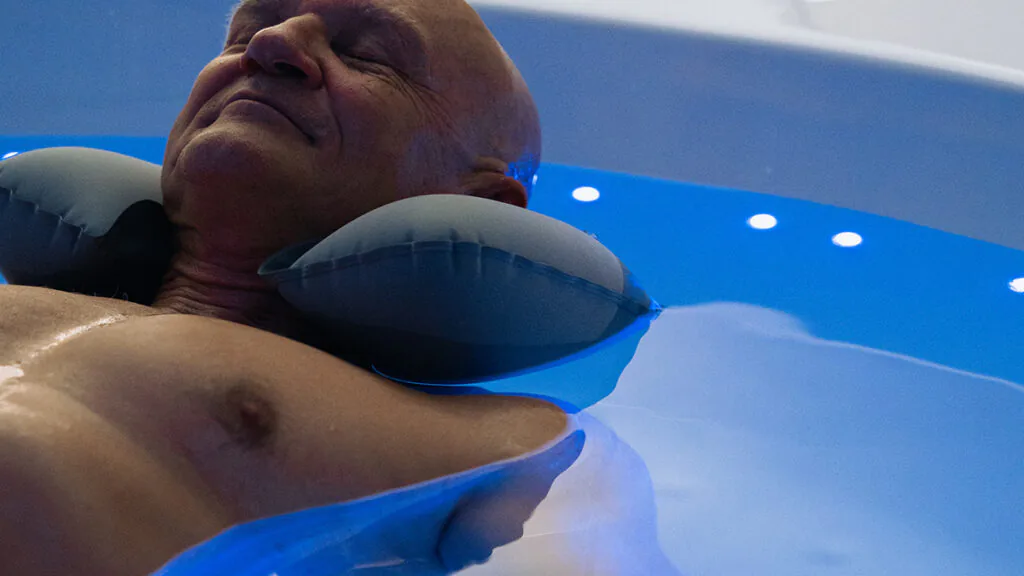
Guests also benefit from balanced nutrition, yoga, Nordic walking and guided walks in nature. Mind-body practices, spa therapies and restorative treatments-including floating therapy, inhalation therapy and targeted infusion support- work together to help reduce stress, release physical tension and promote overall wellbeing.
What Is the Autonomic Nervous System?
The autonomic nervous system (ANS) regulates the body’s automatic functions, including heart rate, breathing, digestion, blood pressure and many processes that occur without conscious effort. It is made up of two primary branches that work together to keep the body in balance.
The Sympathetic Nervous System (SNS) activates the body’s “fight or flight” response. During periods of stress, it increases the release of cortisol, raises heart rate, sharpens focus and prepares the body to respond to perceived threats.
The Parasympathetic Nervous System (PNS) is responsible for “rest and recovery.” It helps slow the heart rate, supports restorative processes, and promotes a sense of calm.
Optimal health depends on the ability to move flexibly between these states rather than remaining stuck in either one.
Why Does This Happen?
Psychiatrist Dan Siegel introduced the concept of the Window of Tolerance — the state in which the nervous system functions in a balanced way, allowing a person to manage stress without becoming overwhelmed. When we move outside this window, two common responses can occur.
- Hyperarousal — anxiety, irritability, internal tension, a rapid heartbeat, and racing thoughts.
- Hypoarousal — apathy, deep fatigue, brain fog, and difficulty concentrating.
The goal is not to eliminate stress completely — that is rarely realistic. What matters most is learning to recognize your state and help your nervous system return to balance. This is where breathing techniques, gentle physical activity, outdoor walks, relaxation practices, and quality recovery can make a meaningful difference.
At Revita Clinic, recovery programs are designed to help the body gradually shift from constant stress mode into deeper recovery. If you want not only to understand the reasons behind chronic fatigue, tension, or anxiety — but also to actively work on improving these conditions, Revita Clinic specialists can help identify a recovery program designed to restore energy, inner balance, and truly restorative rest.
Breathing Exercises to Help You Feel Calm Right Now
Breathing happens automatically, but it is also one of the few bodily functions we can control intentionally.
1. The Physiological Sigh — One of the Fastest Ways to Reduce Stress
A physiological sigh is a natural breathing pattern that helps refill the lungs (alveoli) and release excess carbon dioxide. Just two or three repetitions may help activate the parasympathetic nervous system and slow the heart rate within a short period of time.
- Inhale through the nose.
- Inhale once more, a little more sharply, on top of the first inhale.
- Exhale through the mouth very slowly.
2. Box Breathing — For Calming the Mind and Body
Box breathing is very popular with high-achieving athletes and soldiers, as it helps people stay calmer in tense situations. Regulating the breath creates a steady rhythm that helps calm the nervous system and quiet racing thoughts.
- Inhale through the nose for a count of four.
- Hold your breath for a count of four.
- Exhale through your mouth for a count of four.
- Hold your breath for a count of four once more.
Repeat the cycle for three to five minutes or for as long as it feels comfortable.
3. The 4-7-8 Breathing Method — For Sleep and Stress Relief
When you lengthen the exhalation, you may help stimulate the body’s relaxation response through the vagus nerve. This can support physical relaxation and help slow the heart rate.
- Exhale completely.
- Inhale through your nose for four seconds.
- Hold your breath for 7 seconds.
- Exhale slowly through your mouth for eight seconds, making a gentle whooshing sound.
- One breath cycle is now complete. Repeat for four breath cycles.
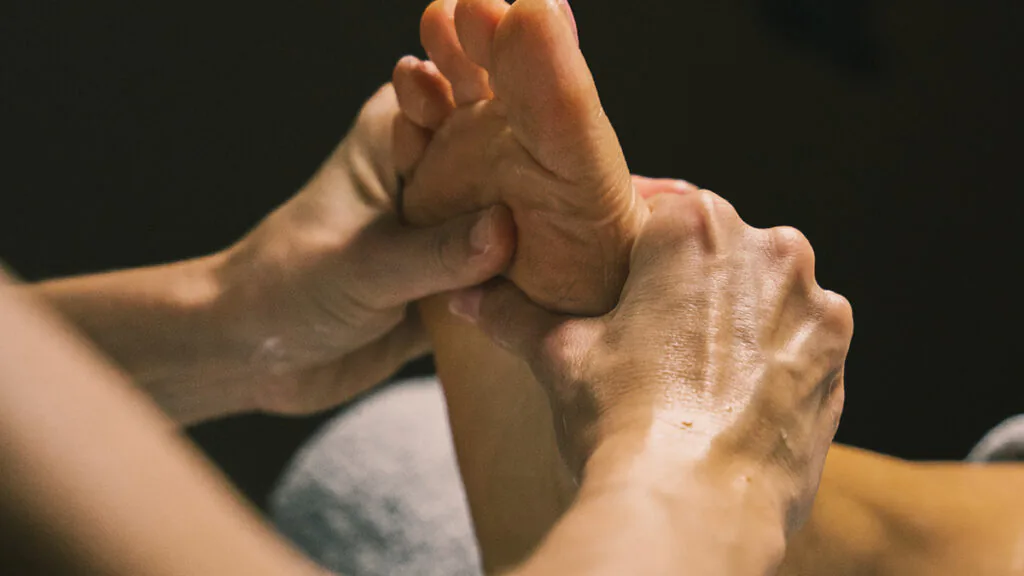
Tools for Vagus Nerve Support and Somatic stimulation to Support Nervous System Regulation.
The nervous system constantly receives signals from the body that help the brain determine whether we feel safe or under threat.
Vagus Nerve Stimulation
The vagus nerve is a major part of the parasympathetic (“rest and digest”) nervous system. It extends from the brainstem to organs, including the heart, lungs and digestive tract.
- Vocalization: Because the vagus nerve is connected to the muscles involved in vocalization, humming, singing, or chanting low-pitched sounds may help promote relaxation. Focus on the gentle vibrations as you breathe.
- Cold Water: Splash cold water on your face or finish your shower with 30 seconds of cool water. This may activate your mammalian dive reflex and slow the heart rate, and promote relaxation.
- Eyes to the Side: Keep your head facing forward and move your eyes as far right as comfortably possible without turning your head. Hold this position until you yawn, sigh, or swallow naturally, then repeat on the left side. This technique is thought to help release tension and encourage relaxation.
Somatic Shaking and Tracking
When animals escape a predator, they often shake their bodies as part of their recovery from the fight-or-flight response. Some practitioners believe gentle shaking exercises may help release physical tension.
- Shake Out the Energy: Stand comfortably and gently shake your hands, arms, legs, shoulders and torso for two to three minutes. Keep your jaw relaxed and allow your body to move freely. Many people find this exercise helps reduce feelings of tension and stress.
- Havening Touch: Warm your hands by rubbing them together, then gently stroke your face, forearms from shoulders to elbows, neck and chest. This gentle self-soothing technique may help promote a sense of safety, calm the nervous system, and reduce stress..
Creating Your Own Regulation Routine
Building long-term resilience and moving past chronic stress takes time. However, by following simple model below, you can make nervous system regulation a part of your daily routine.
- In the morning: Practice three minutes of box breathing followed by a cold water face splash. Together, these activities may help create a sense of focused energy.
- At midday: Do a few more physiological sighs and roll your shoulders to release tension from sitting at a desk.
- At evening: Use the 4-7-8 breathing technique and low-pitched vocalizations to prepare yourself for quality sleep.
With five minutes a day of intentional nervous system regulation, you can begin to teach your body to bounce back from stressful experiences more quickly. We may not always be able to avoid triggers, but we do have a choice in how we react to those triggers.