When we focus on our health, we count our steps, track our protein intake, and buy smartwatches so we don’t miss a thing… But when was the last time you met a friend without checking the clock? Just sat down for a conversation. Shared a meal. Went for a walk. Modern research suggests that longevity isn’t determined by nutrition and exercise alone. Stress levels, the quality of our rest, and the relationships we have with people who make us feel safe and supported also play an important role.
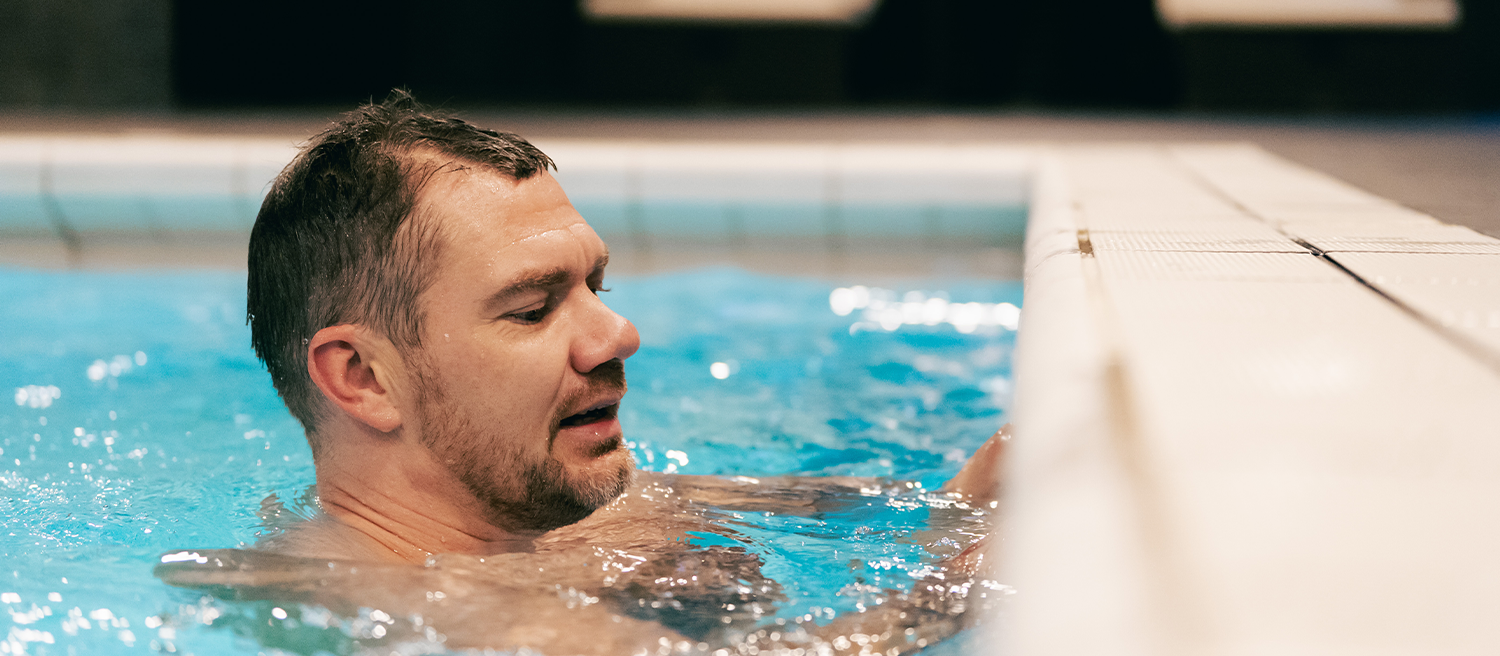
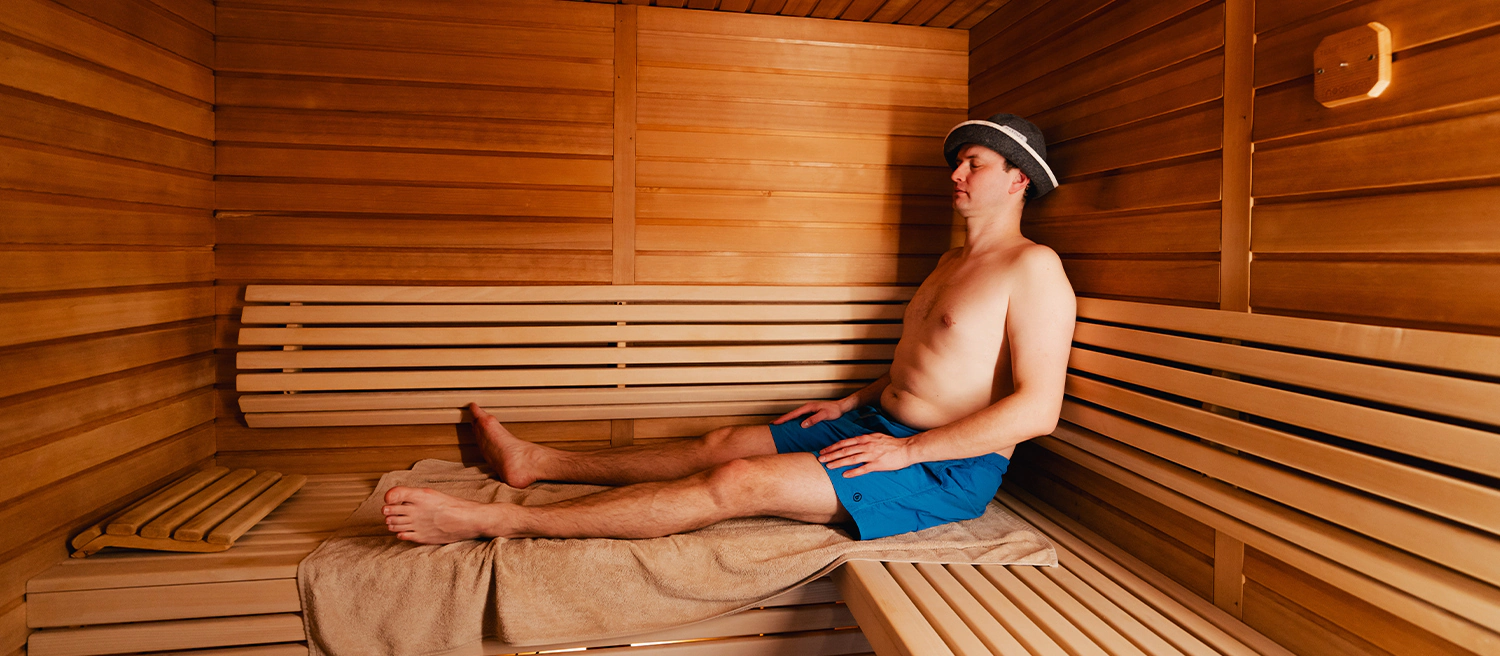
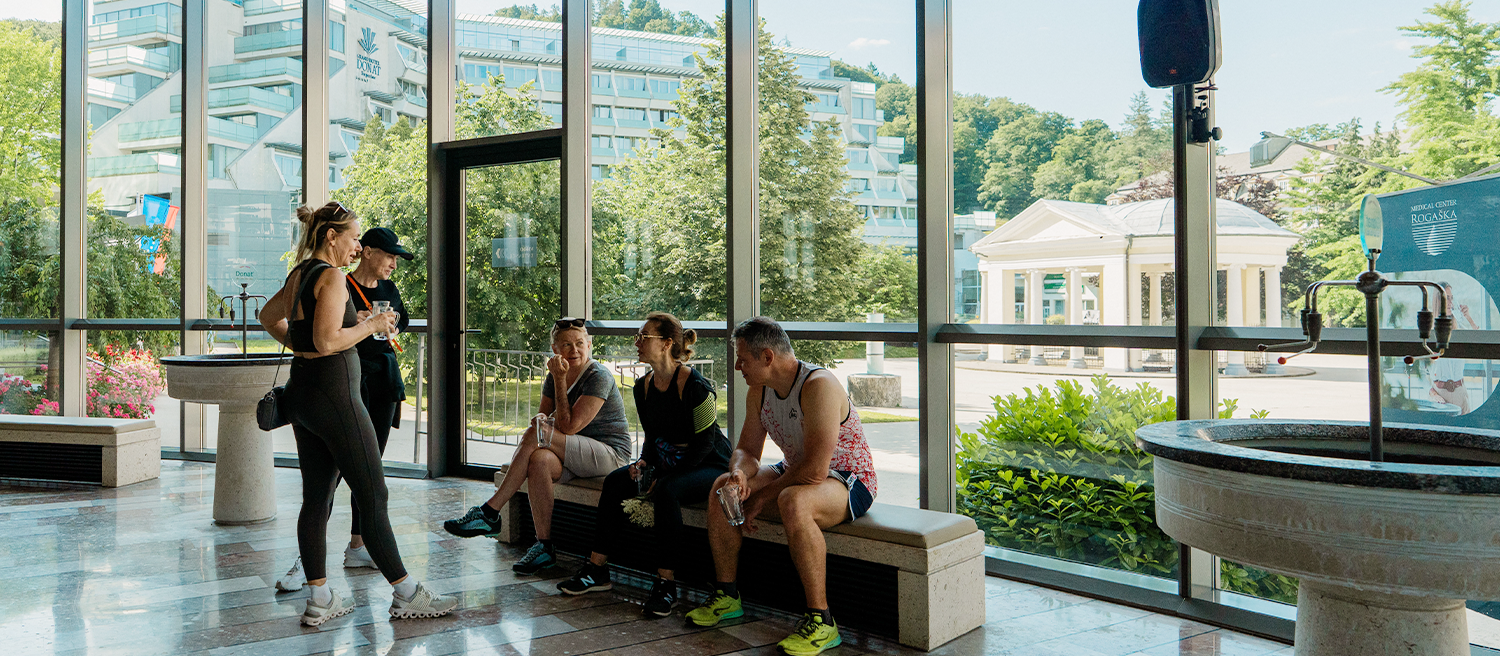
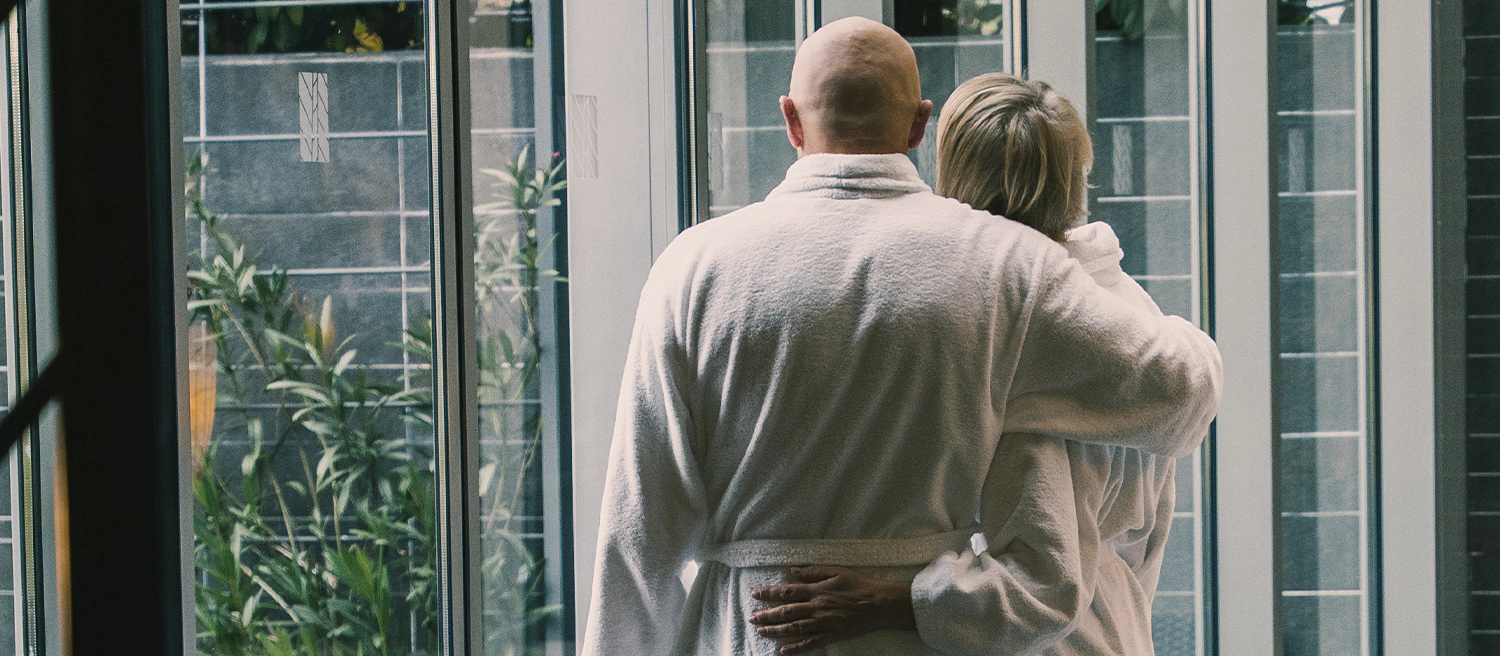
At Revita Clinic, we often see how important it is to simply slow down. Many of our guests come not only on their own, but with their spouse, friends, or adult children. While one person enjoys a treatment or meets with a therapist, the other may be relaxing in the SPA, walking through the forest, or reading on the terrace. Later, they have dinner together, enjoy an unhurried conversation, or take an evening walk. These are simple moments—but they’re often the very ones missing from everyday life. You are welcome to come to Revita Clinic with someone close to you and choose the wellness program that best suits each of you. A personal wellness consultant will help you find the right option based on your goals, health status, and individual needs.
One option is our Longevity & Antiage Program. It’s about much more than modern anti-aging technologies. The program combines personalized nutrition, physical activity, restorative treatments, quality rest, and an environment that allows your body to gradually step out of constant “busy mode.” As stress levels decrease, sleep improves, energy returns, and it becomes easier to reconnect—with yourself and with the people around you. After completing the program, many guests say they feel more energetic, recover more easily after physical activity, and once again enjoy the simple moments of everyday life.

Lifespan vs. Life Expectancy: Understanding the Difference
People constantly mix up “lifespan” and “life expectancy,” but they aren’t even in the same ballpark. Think of lifespan as our absolute biological limit. It represents the upper limit of recorded human longevity. Right now, that record is 122 years. Even with all our modern biotech, that ceiling isn’t really budging. Much of modern medicine focuses not only on extending life, but also on helping more people live longer in good health.
Life expectancy, on the other hand, is just the average. It’s how long the ordinary person actually makes it. For the last century, that average shot up because of clean tap water, penicillin, and vaccines. However, medical care is only one part of the longevity equation. You can give someone the absolute best medical treatments on the planet, but if they go home to a completely empty, silent house every night, those drugs can only do so much heavy lifting. Modern medicine can treat disease and support physical health, but emotional well-being and a sense of connection also matter.
What Long-Term Research Tells Us
The data on this is stark, even if we hate to admit it. There is a famous, incredibly long-running study that tracked hundreds of men from their youth in the 1930s all the way to old age. The researchers monitored everything from blood work to career paths, looking for the ultimate secret to longevity. The biggest takeaway wasn’t about cholesterol, exercise, or wealth. It was almost embarrassingly simple: warm relationships keep us happier and healthier. The people who were the most satisfied in their relationships at age 50 were consistently the healthiest at 80. Healthy habits mattered, but the quality of their relationships also appeared to play a major role.
IMany of us understand the importance of relationships and still find ourselves turning down invitations because staying home feels easier. Maintaining social connection often requires conscious effort, especially when life already feels busy or exhausting. We treat social connection as a luxury—something we get to do only after our “real” work, our workouts, and our meal prep are finished. We tell ourselves we will catch up with people “when things quiet down,” but things never quiet down.
How Loneliness Can Affect the Body
How does a subjective, emotional feeling like loneliness physically wreck your body? It’s an evolutionary glitch. Humans are cooperative survivalists; we survived in tribes. Thousands of years ago, if you wandered away from the campfire, you were basically predator food. Your brain evolved to treat isolation as an immediate, life-threatening emergency.
When you feel lonely today, your body still thinks you’re stranded in the wilderness. It triggers a constant, low-grade fight-or-flight response. Cortisol and other stress hormones may remain elevated, which over time can affect cardiovascular function, immune regulation, and overall well-being. It alters how your genes express themselves, turning up the dial on systemic inflammation—which acts as an accelerator for heart disease and aging.
To top it off, isolated people experience highly fragmented sleep. Without deep, uninterrupted rest, your brain simply cannot clear out metabolic waste. Sleep disruption may also interfere with cellular repair, energy regulation, and recovery. You are physically breaking down from the inside out. You can drink all the green juice you want, but if your nervous system is constantly screaming that you are in danger, your body will prioritize survival over repair every single time.
Lessons From Communities With Exceptional Longevity
If you want to see what a healthy social environment actually looks like, look at the places where people regularly live past 100 without trying.
In these tight-knit mountain villages, the elderly aren’t sidelined or sent to care facilities. They live right in the center of the household. They remain active, respected, and deeply integrated into daily life. They aren’t sitting in isolation; they are peeling vegetables, telling stories, and holding babies. In these places, staying connected isn’t a chore or a goal on a checklist. It’s just a natural byproduct of how their neighborhoods and daily routines are built. Regular interaction happens naturally through shared meals, local routines, family life, and everyday encounters.
How to Build Your “Social Fitness”
You don’t need to become a massive extrovert or fill your calendar with exhausting parties to fix this. It’s entirely about depth, not the sheer volume of people you know. Having thousands of social-media followers does not necessarily provide the same health benefits as meaningful, supportive relationships. In fact, digital connection often acts as a counterfeit, tricking our brains into thinking we are connected while leaving our nervous systems completely starved of actual presence.
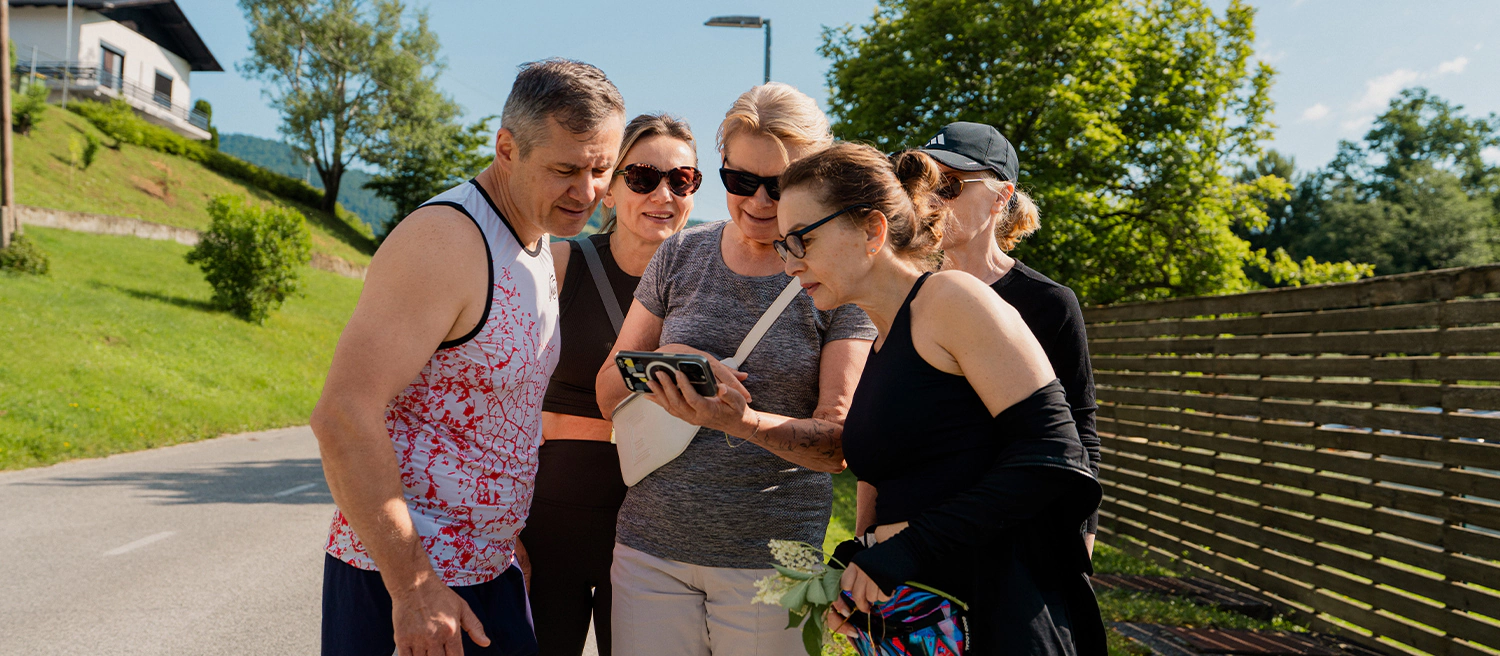
Instead, focus on cultivating just three to five deep, trusted relationships where you can actually drop the act and be yourself. Friendships usually grow through repeated contact and shared experiences. Consider joining a local running club, volunteering, attending a regular class, or taking up a hobby that naturally brings people together.
And remember, you don’t need to be the most entertaining person in the room. The easiest way to build a bond is simply to show up, ask real questions, and actually listen to the answers without trying to “fix” things. It also helps to mix generations; having friends who are twenty years older or younger gives you perspective and keeps you plugged into the broader world.
The Biohacking Trap vs. Genuine Human Lifespan
This is where the modern wellness industry gets it so incredibly wrong. We have built a multi-billion-dollar ecosystem around the idea of the “optimized individual.” We buy red-light therapy panels, wear continuous glucose monitors, and swallow handfuls of expensive adaptogens, all in the pursuit of squeezing a few more years out of our biological clocks. But this hyper-individualistic approach to health is missing the forest for the trees. No device, supplement, or optimisation strategy can fully replace meaningful human connection.
If you devote substantial time to exercise and nutrition but rarely make time for meaningful conversation or companionship, an important dimension of well-being may be missing. The stress of isolation will easily undo the benefits of your clean diet and your daily cardio. We need to stop viewing social time as a reward for when our “real” work is done. It is an important part of taking care of our health.
The Power of Weak Ties in Daily Life
While deep friendships are the bedrock of our emotional health, we also shouldn’t underestimate the power of what sociologists call “weak ties.” These are the casual, low-stakes interactions we have throughout our day—the brief chat with the barista who knows your coffee order, the nod of acknowledgement to the mail carrier, or the quick joke shared with a stranger while waiting in line.
These micro-connections act as a social buffer. They constantly remind our nervous system that we are part of a safe, cooperative tribe. They may help reduce feelings of isolation and make us feel more grounded in the places where we live.
In our rush to automate everything—using self-checkout lanes, ordering groceries via apps, and working entirely from behind a screen—we have systematically stripped these tiny, vital interactions out of our daily lives. We gained convenience, but sometimes at the cost of everyday moments of human contact. Reclaiming your social fitness doesn’t just mean scheduling weekend dinners with your best friends. It means looking up from your phone when you’re out in public. It means saying thank you to the cashier, making eye contact with the person next to you, and actively participating in the physical world around you.