When people think about health and longevity, they often picture workouts, running, gym sessions, or structured fitness programs. Yet one of the most accessible ways to support your wellbeing is often overlooked.
Walking. It does not require special training, expensive equipment, or large amounts of free time. At the same time, many experts consider regular walking one of the simplest and most sustainable healthy habits a person can maintain over the long term. At Revita Clinic, movement is not viewed as a separate workout but as an important part of the overall recovery process.
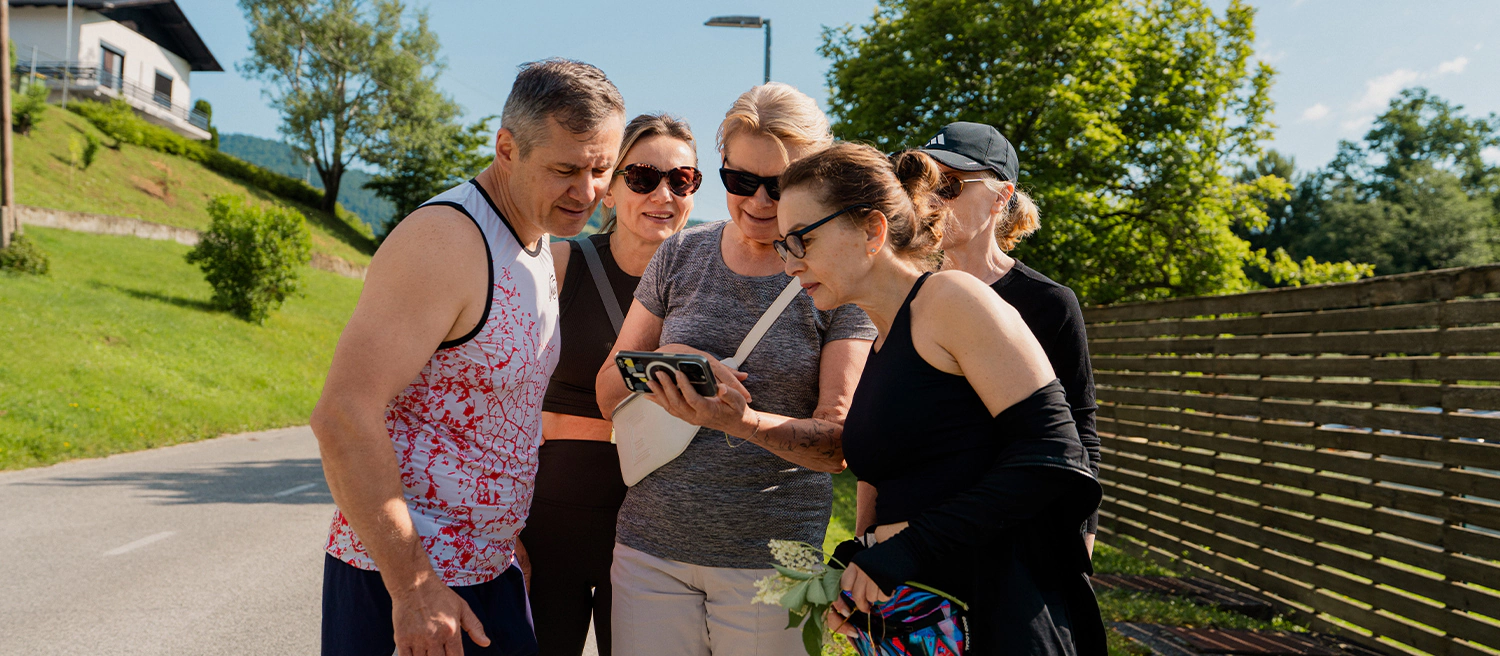
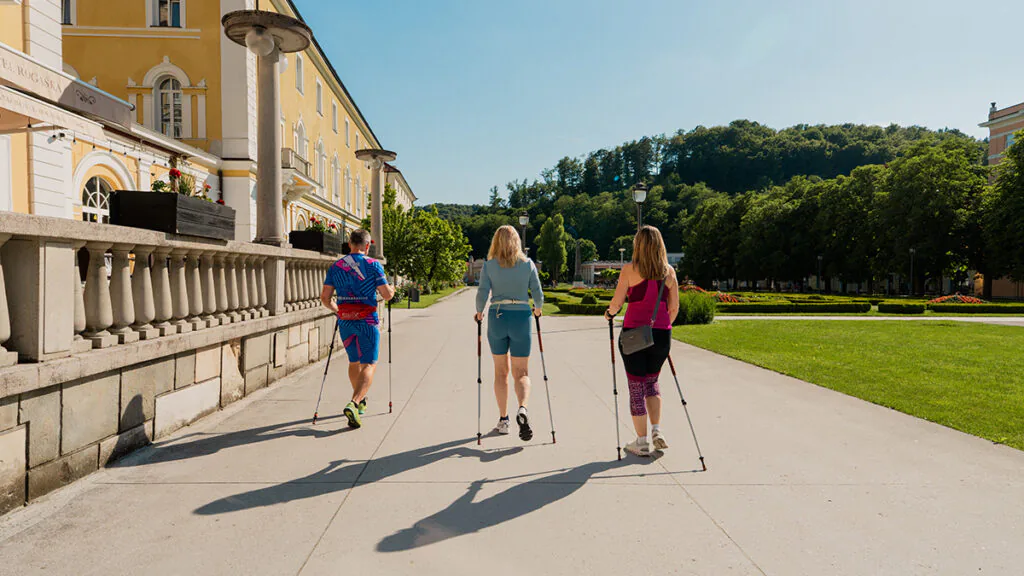
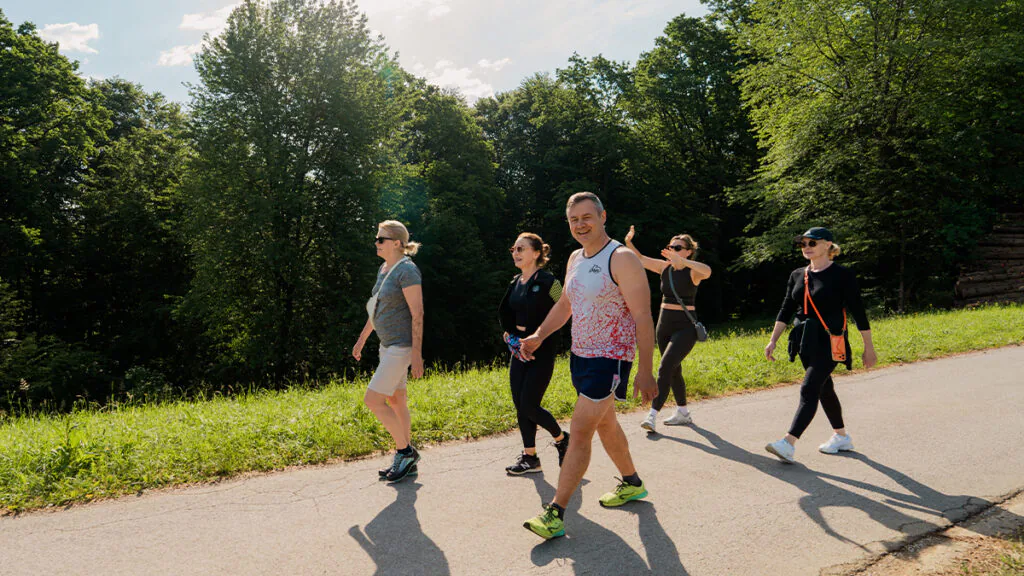
Nordic walking and guided hiking sessions are included in most programs and take place under the supervision of a personal trainer. This approach combines gentle cardiovascular exercise, full-body muscle engagement, and time spent outdoors among the forests and scenic landscapes of Rogaška Slatina.
For many guests , these walks become one of the most enjoyable and rewarding parts of their day. They provide an opportunity to move at a comfortable pace, step away from daily pressures, enjoy meaningful conversation, and focus on personal wellbeing. That is why movement is considered an important component of healthy aging, sustained energy, and long-term wellbeing at Revita Clinic.
If you would like to find a recovery program that takes into account your activity level, health status, and personal goals, tell us a little about yourself. A Revita Clinic wellness consultant can help identify the option that best suits your needs.
Why Are Longevity Researchers Interested in Walking?
Walking remains one of the most extensively studied forms of physical activity in the field of healthy aging. . According to published research, regular walking is associated with supporting cardiovascular health, metabolic function, bone health, and cognitive performance.
What is encouraging is that you do not need intense exercise to experience these benefits. Scientific reviews suggest that even moderate levels of physical activity may contribute to maintaining health, mobility and quality of life.
Researchers have also explored the relationship between regular walking and slower age-related cognitive decline. In addition, walking is a weight-bearing activity, which helps support bone density while placing less stress on the joints than many higher-impact forms of exercise.
Walking Is Accessible and Safe
One of walking’s greatest advantages is its simplicity. It remains one of the most accessible ways to stay active and support health throughout life. At the same time, there is no one-size-fits-all approach. Every person has different goals, abilities, and starting points.
At Revita Clinic, all walking activities are adapted to the individual. Our guests include people of different ages, including those returning to physical activity after a long break, as well as individuals with musculoskeletal limitations.
Walks and outdoor activities take place under professional guidance, so guests do not need to worry about choosing the right pace or intensity. What matters most is not how many kilometers you walk today, but gradually making movement a natural part of everyday life.
After all, getting started is often the hardest step. Once you begin, energy, confidence, and enjoyment of movement tend to follow. But how many steps do you actually need each day? And is there a difference between a leisurely stroll and walking at a more purposeful pace?
Let’s explore what current research has to say.
If you would like personalized recommendations on physical activity, recovery, and healthy aging, the specialists at Revita Clinic can help identify a program tailored to your lifestyle, fitness level, and goals.

How Many Steps Per Day Should You Walk for Longevity?
The popular recommendation of 10, 000 steps per day originated from a marketing campaign rather than scientific research.. However, studies indicate that a daily walk of 7,000 to 8,000 steps is optimal for longevity. Research suggests that the greatest benefits may occur before reaching very high daily step counts, with diminishing returns beyond approximately 8000 to 9000 steps for many people.
A review published in 2023 indicated that people who averaged 7,000 steps had a 50 to 70 percent lower risk of early mortality compared to those who averaged less than 5,000 steps per day. While the benefits of more than 8,000 to 10,000 steps/day are diminished for most health benefits, particularly among older adults, you can observe improvements with just 4,000 to 5,000 steps/day if your daily average is below 3,000. Consistency appears to be an important factor; taking 6000 to 7500 steps on most days may provide greater long-term benefits than accumulating large numbers of steps only occasionally.
Additionally, 6,000 to 7,000 steps daily may be enough to yield benefits for those over age 60, whereas it could require 8,000 to 9,000 steps/day for a younger person. Some studies suggest that women may achieve similar health benefits with slightly fewer daily steps than men, although the reasons for this are not yet fully understood. And then there’s the speed factor. How fast you walk could influence the mortality benefits of walking. Walking fast enough that it gets your heart up may be better than taking a slow stroll. This is where zone 2 walking comes in.
What Is Zone 2 Walking — and Why Does It Matter?
Zone 2 walking is a relatively low-intensity form of exercise that still provides meaningful aerobic benefits. You can hold a conversation with no issues, but singing wouldn’t be possible. Generally, zone 2 walking falls between 60% and 70% of your maximum heart rate or 3 to 4 on a 10-point effort scale. This level of effort may support fat metabolism and mitochondrial function while remaining manageable for most people. zone 2 walking provides cardiovascular benefits while placing relatively low stress on the body.
Zone 2 walking has become increasingly popular in the longevity community because it may help improve aerobic capacity in a sustainable way. Unlike some higher- intensity exercises, zone 2 training is generally easier to recover from and may be performed more frequently.With this type of walking, though, you could do it more often. Zone 2 walking has numerous health effects as well.Reasearch suggests that zone 2 training may improve mitochondrial efficiency and support the body’s ability to produce energy. It may also support cardiovascular fitness and insulin sensitivity. It may encourage capillary development within muscle tissue and improve the body’s ability to utilize fat as a fuel source.
Over time, consistent zone 2 training has been associated with improvements in VO2 max, a measure of cardiovascular fitness often linked to healthy aging. Most people will find that zone 2 walking occurs at a comfortable but brisk pace around 4.5 to 5.5 kilometers per hour, or about 2.8 to 3.4 miles per hour. You may still be able to hold a conversation but not for very long. This pace is often associated with efficient fat utilization and adaptations that may support aerobic capacity and recovery. It will also lead to improvements in VO2 max over time, another metric of longevity.
The Best Way to Walk for Longevity: Steps + Zone 2 Combined
Current evidence suggests that combining an adequate daily step count with periods of purposeful, moderate-intensity walking may provide the greatest overall health benefits. Your starting point should be: walk at least 7,000 steps on most days; add 3 to 5 30- to 45-minute zone 2 walks each week; and occasionally change up the pace by walking faster or climbing up a hill for short periods within that same heart rate zone. In this way, you can hit your daily step count goals while simultaneously getting in aerobic exercise.
For instance, if your target is 7,000 steps a day, that could mean 35 minutes of zone 2 walking in the morning and then incidental activity through the rest of the day. If you’re someone who already regularly clocks 8,000 to 10,000 steps, you can likely transform at least 40 percent of those daily steps into zone 2 efforts by relying on your wearable heart rate tracking device to keep tabs on your exercise, or the talk test to see if you stay in the zone; a watch featuring heart rate zones will make this even more effortless, but you won’t need one if you’re well-versed with the talk test.
Practical Tips for Building a Longevity Walking Habit
Start where you are now and add steps slowly; if you average 4,000 steps each day, commit to 5,000 over the next two weeks, then 6,000, and so on. Put zone 2 on the calendar, the way you would any other commitment; if you’d like to get to at least three zone 2 walks per week, set a schedule up front and stick with it. Interspersed incidental movement and steps throughout your day, no need to carve out dedicated walk times; walk while you’re on the phone, park the car farther away, and stroll after dinner for a convenient way to increase your daily step total.
Increase the length of your walks before ramping up the pace, particularly for beginner athletes, or those reentering an exercise program after a hiatus. If you’re feeling sore or extra tired or have any achy joints, scale back on the volume or just skip the workout for a few days. Select terrain and footwear with your joints in mind; hiking uphill can add difficulty and get you into zone 2, but if you opt to go hillier, invest in comfortable supportive shoes for cushioning.
Final Thoughts on Walking for a Longer Life
Walking is one of the most accessible forms of exercise and is often easier to maintain long term than many other fitness activities. The numbers point to 7,000 steps to 8,000 steps a day as the sweet spot for a daily target, with zone 2 walking built in as you go. Walking each day at a moderate intensity combined with aerobic zone 2 walking sets you up for a path toward longevity and a healthier life. Ultimately, consistency matters more than perfection; small habits practised regularly can have a meaningful impact over time. People often struggle to stay committed due to poor weather, insufficient motivation, and tight schedules.
Look for indoor alternatives on a treadmill with incline options, do a few short walks at a time, find a walking group, consider adding in walking poles if your joints are a bit wobbly on harder surfaces, or start on the treadmill then gradually transition to walking trails outside. Employ an app to track steps, write your activity down in a journal, and keep doing it for months and years on end. You need not a perfect step count or intense workouts for walking to provide meaningful health benefits. The numbers are there to show 7,000 to 8,000 steps per day is a feasible, reachable goal. Getting to zone 2 while walking offers even more perks if you make it a habit. The combination of daily movement and aerobic activity is one reason walking continues to be strongly supported by research on healthy aging and wellbeing.